Must-Do Daytrips for Central Japan
This was my very first trip to Japan, and, while I knew I was going to want to spend time in Tokyo, Kyoto, and Osaka doing all the touristy things, I also wanted to try and get out and about to some other cities in the region. I’ve collected my experiences below, ranging from cute seaside towns to mystical forest walks and onsen heaven… Read on for experiences from Kamakura, Enoshima, Nikko, Hakone, Minoh, and Nara!
Kamakura & Enoshima: A Seaside Escape
After having a few days to get the lay of the land in Tokyo (and conquer the worst of the jetlag), I opted for a daytrip to the coast to get a bit of a different feel. Kamakura and Enoshima are closely located to one another along the coast, and only a 1.5-hour train journey from Tokyo. I purchased the Enoshima-Kamakura Free Pass ($12) which included roundtrip train tickets from Shinjuku on the Odayku line as well as local train travel between the two towns.
Once I arrived in Enoshima, I opted to continue down the coast to Kamakura on the Enoden line and work my way back to Enoshima from there. I visited in early September and the weather was absolutely scorching, so I highly recommend bringing sunscreen and a sun protection layer as you’ll want to spend plenty of time wandering the various temples and sites. I managed to visit the following - all in one day!
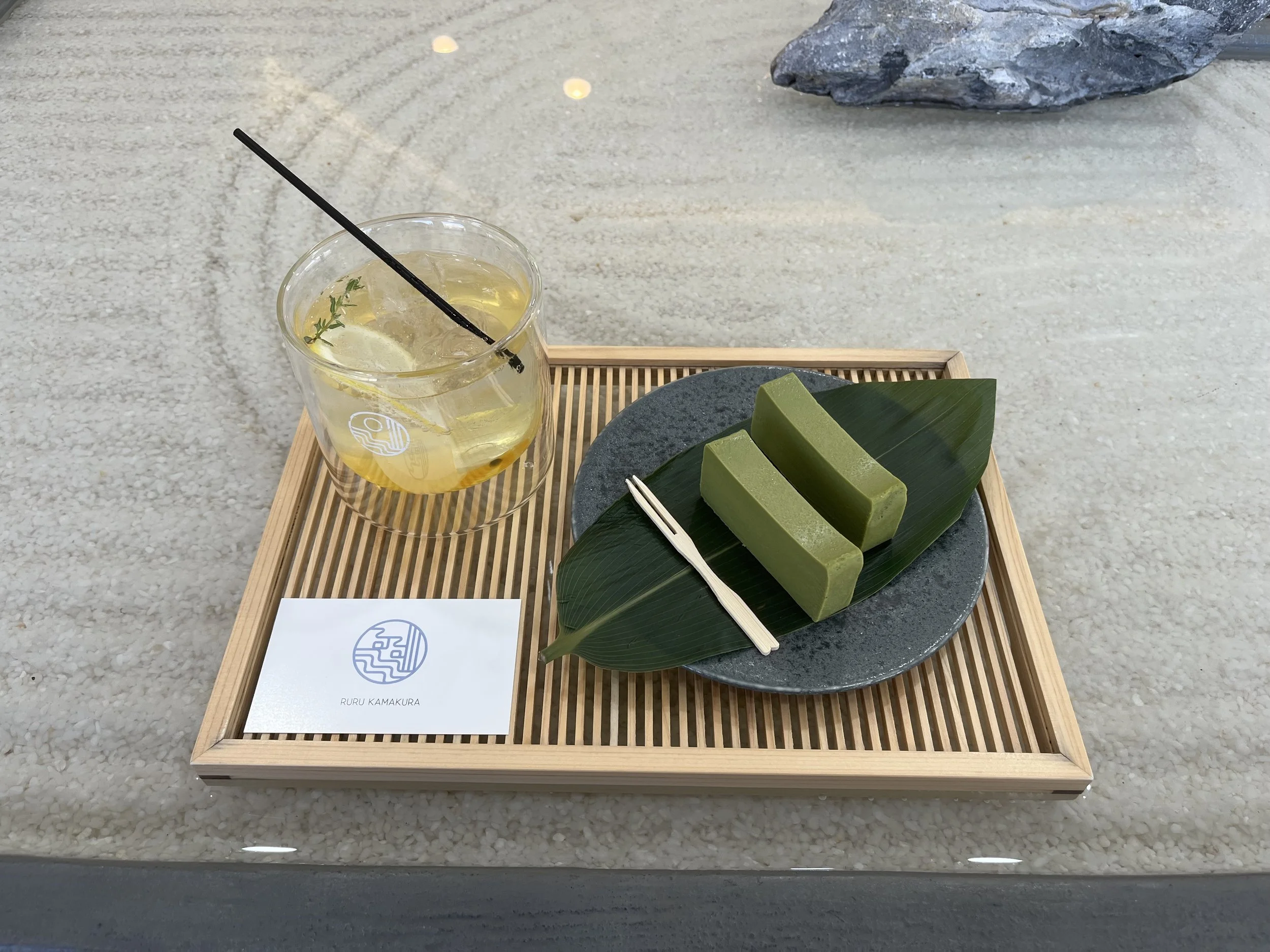
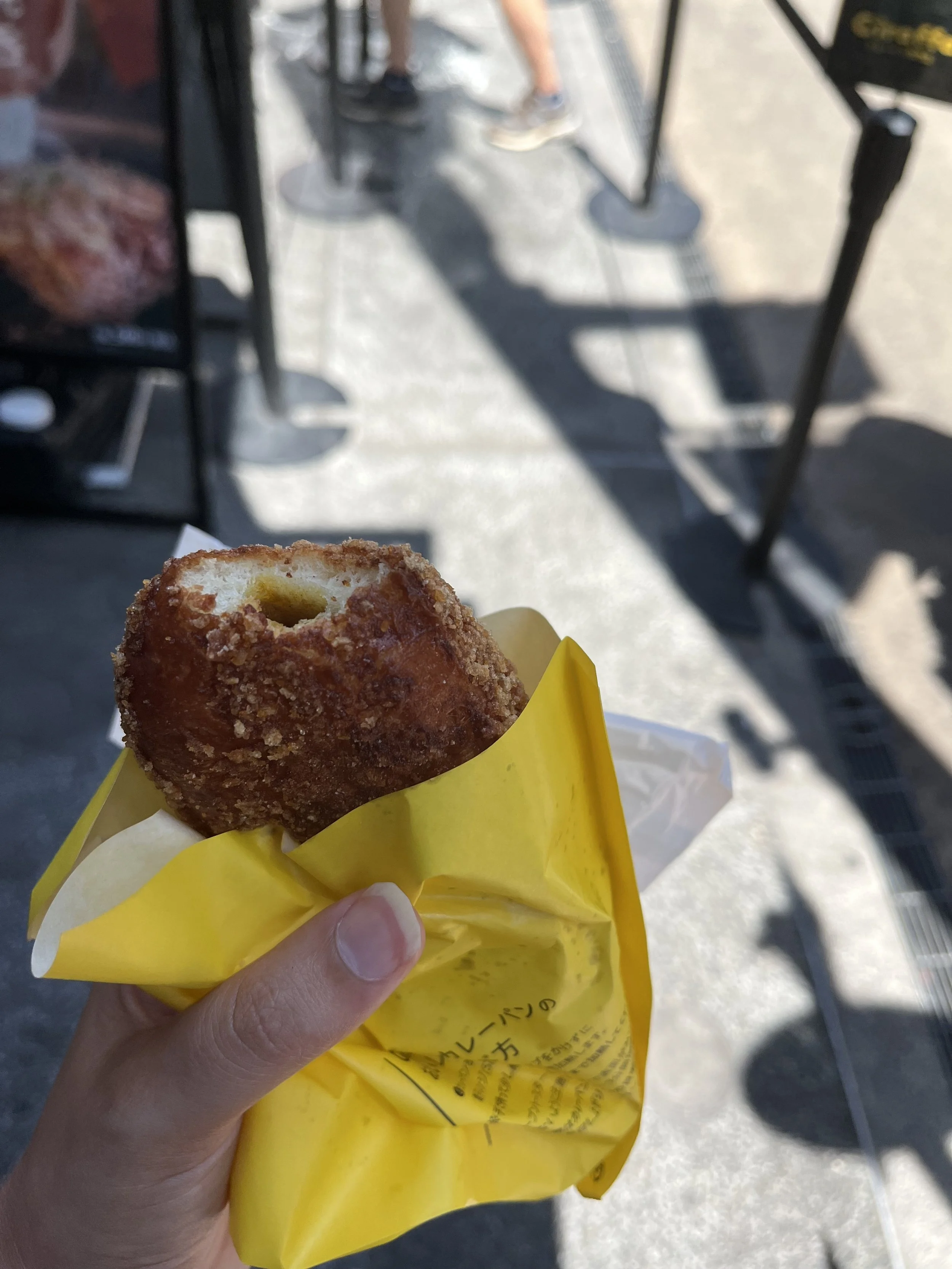
Kamakura - Komachi Street is a popular walking street from Kamakura Station to Tsurugaoka Hachimangu Shrine. There are so many good options for street food and souvenir shopping along this road - my favorite finds were the curry puffs and Ruru cafe. I also picked out some Furoshiki wrapping cloths to have on hand for wrapping holiday gifts. So cute! For the shrine itself, I mostly just strolled around the outside and enjoyed the ponds and bridges.
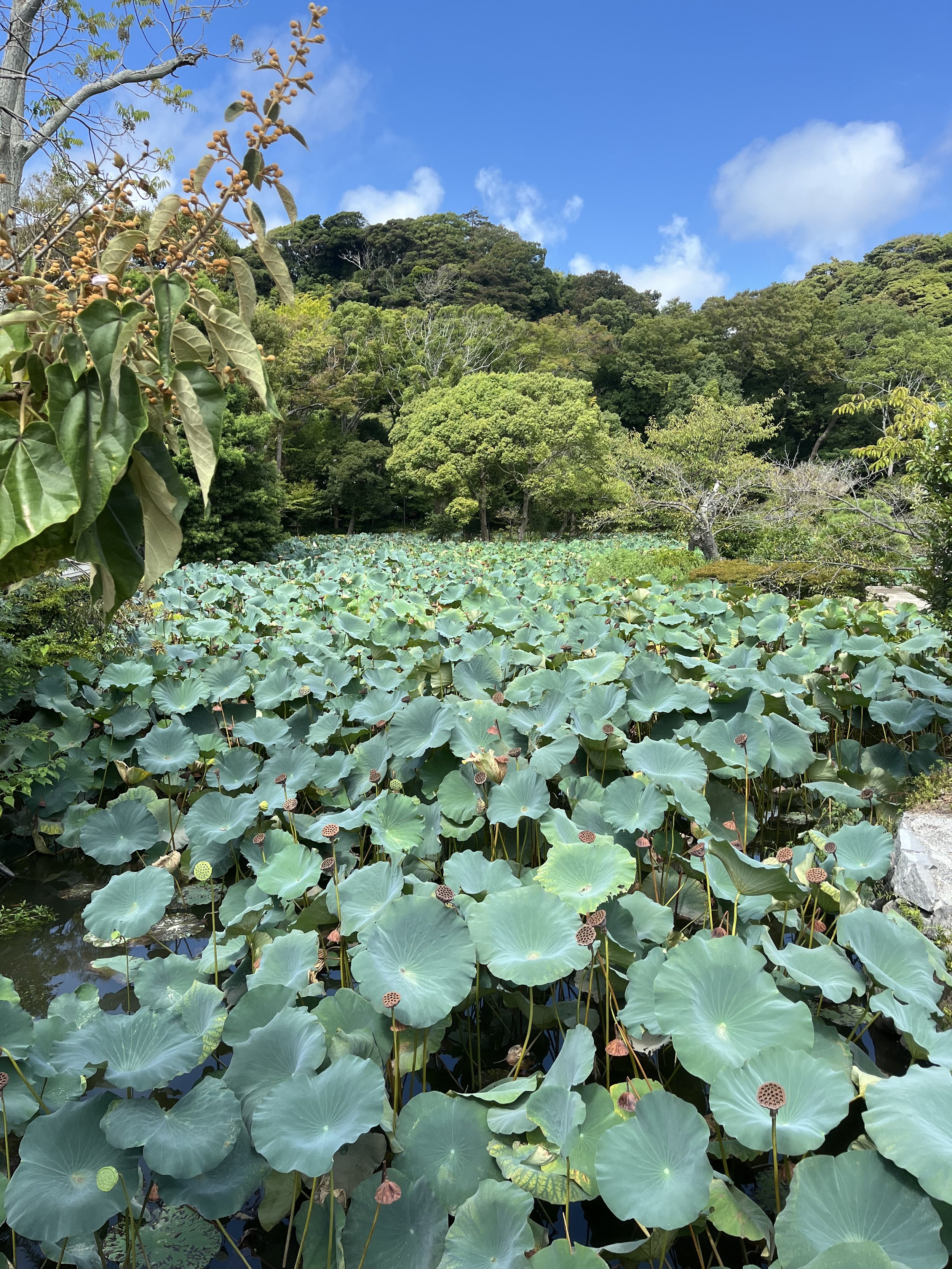
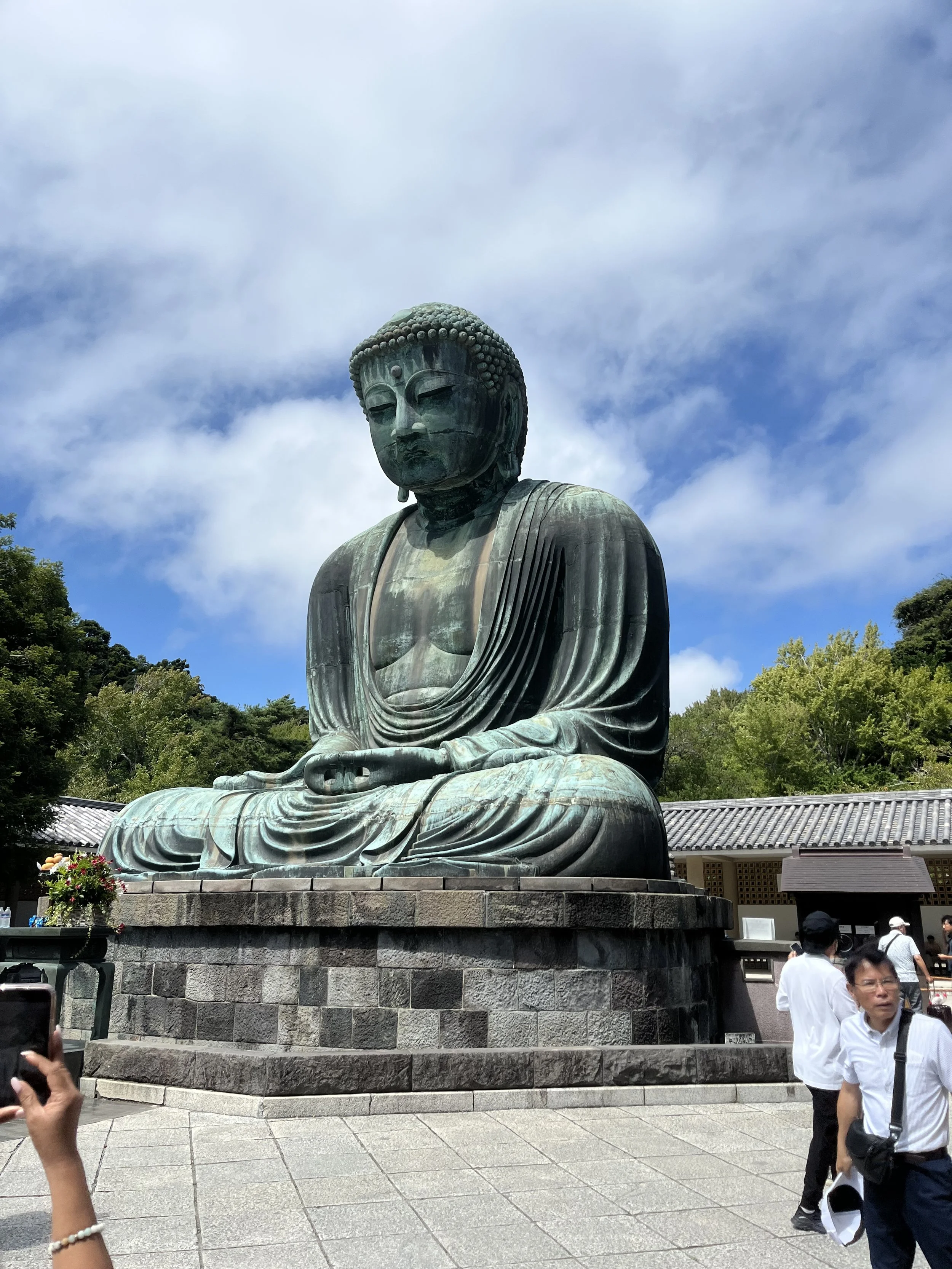
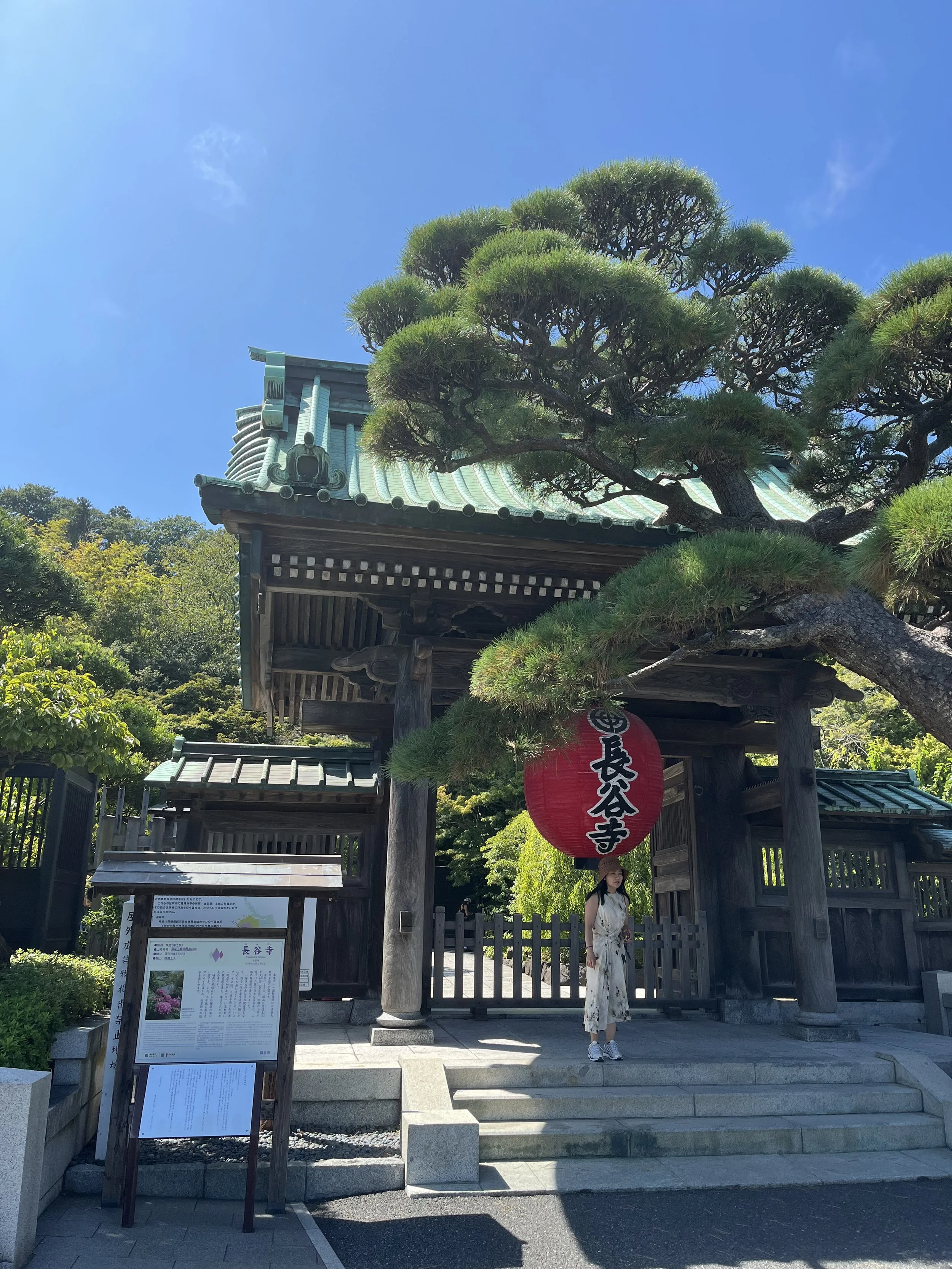
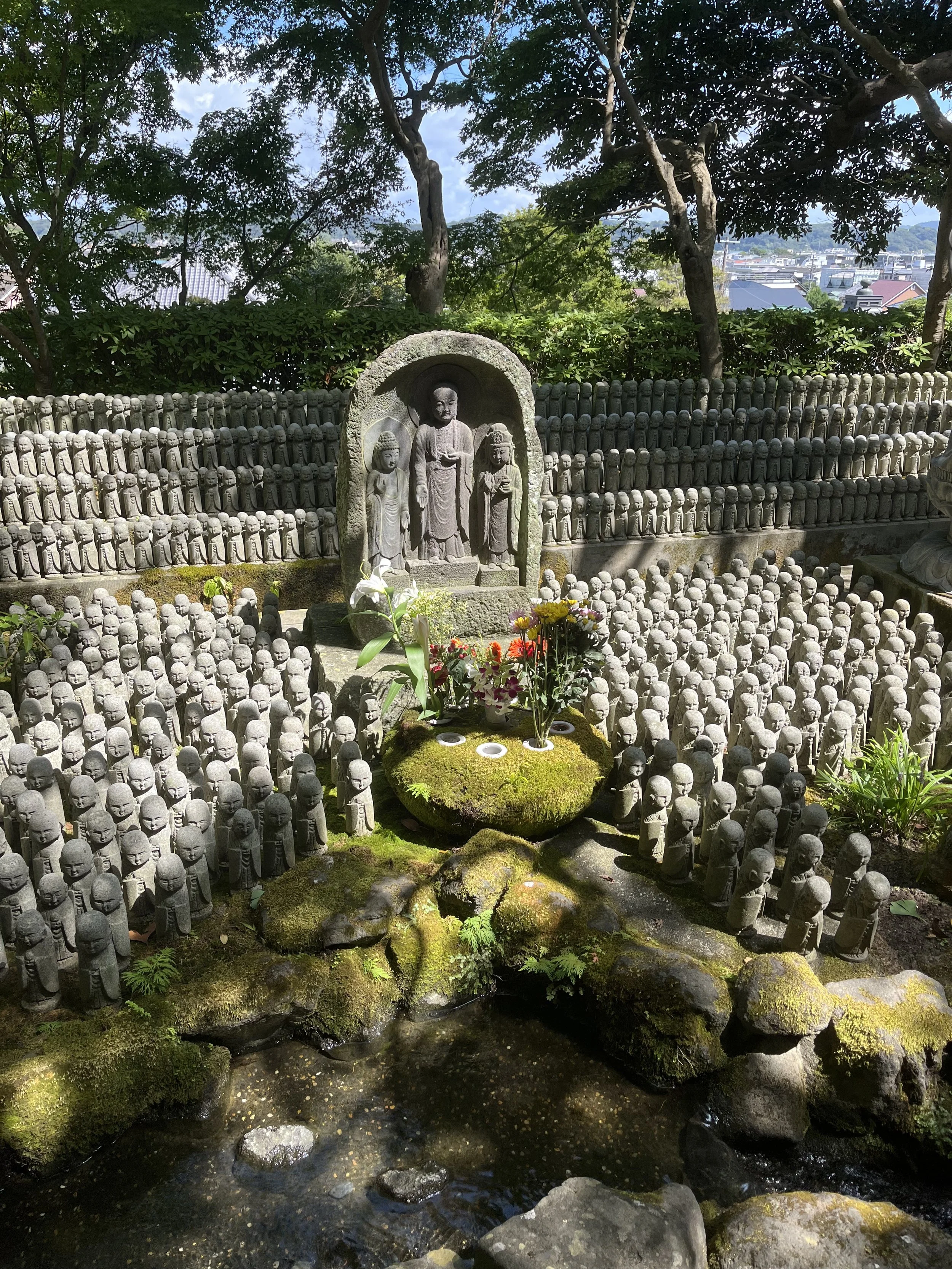
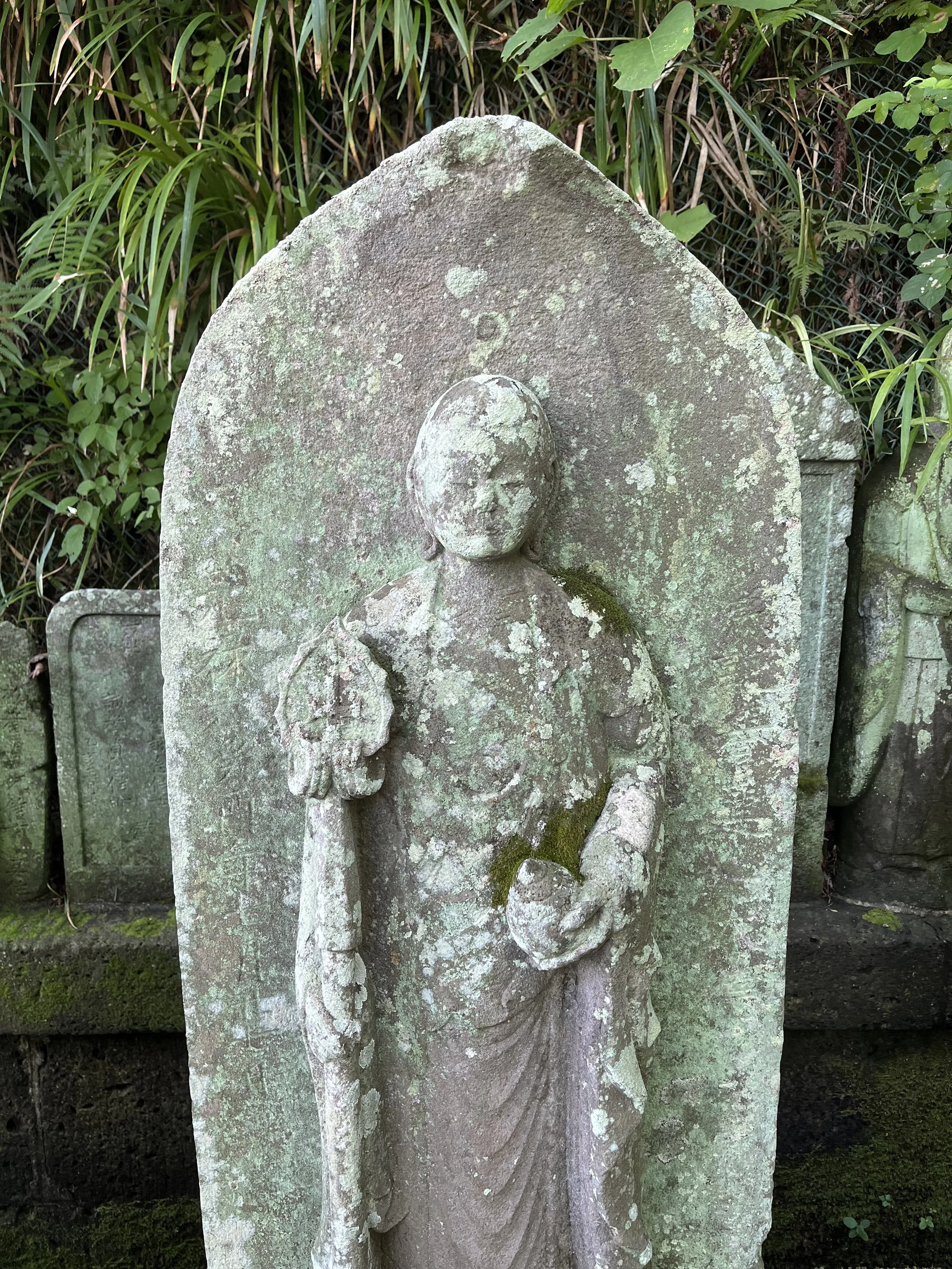
Hase - The Hase Station stop is in between Kamakura and Enoshima on the Enoden Line, so it makes perfect sense to stop there on the way back to town. I visited two main sites in Hase, with the first being Kotoku-in Temple, known for its giant bronze Buddha statue. You can also see a pair of the Buddha’s giant sandals on-site, but for me the coolest part was being able to pay a small fee to actually venture inside the hollow Buddha statue. You can even see where seams were put together - though it is scorching inside, so don’t stay too long! After exploring Kotoku-in, I headed over to Hasadera Temple, which has a sprawling gardens complex to explore. I worked my way along the path and up the side of the hill to find various viewpoints and peaceful nature walks, as well as many Buddha statues. Hase overall might be my favorite stop from today!
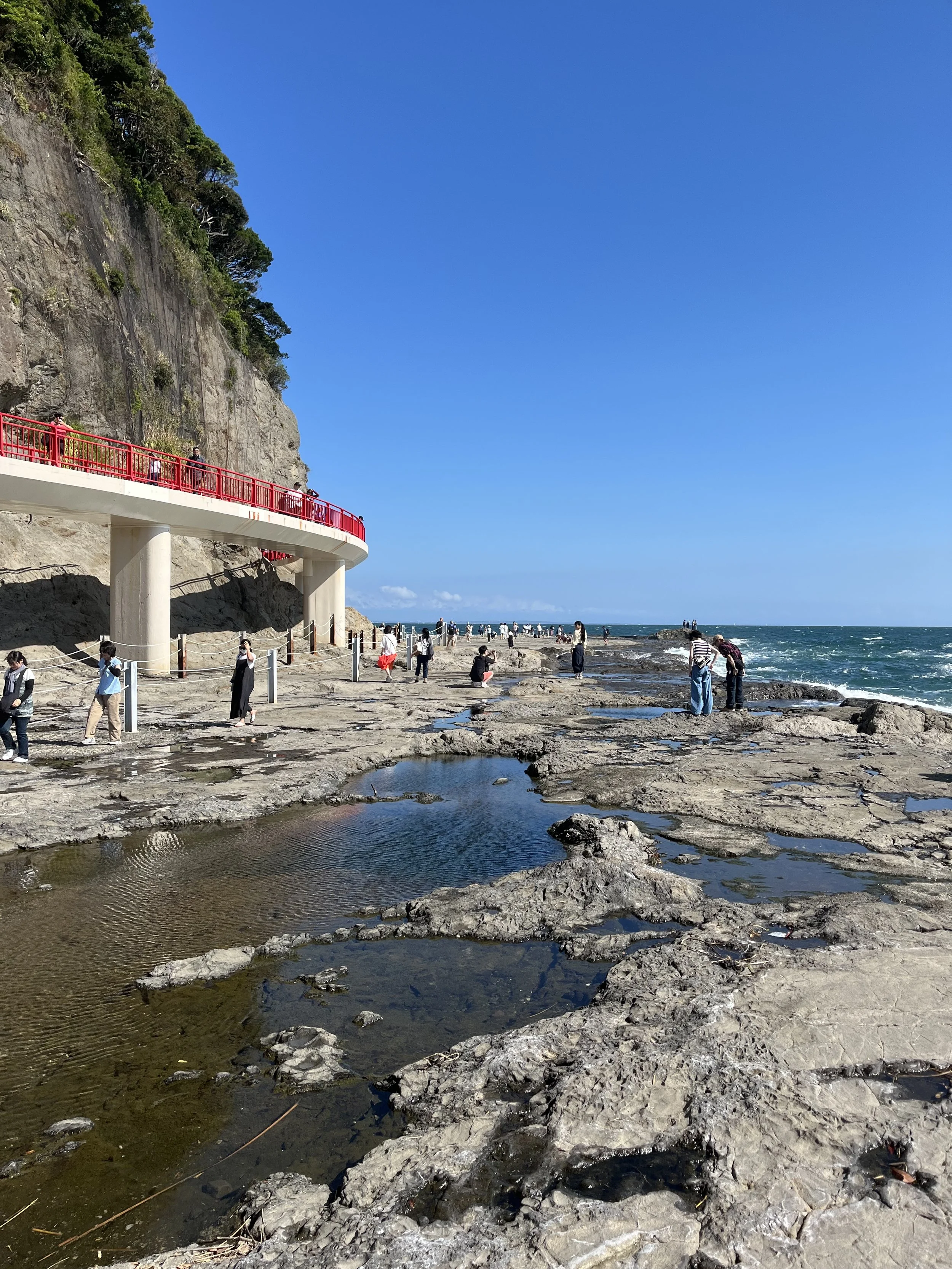
Enoshima - After hopping off of the Enoden line, you can walk across a long bridge to get to the island of Enoshima. As you near the island, you can see various temples and the Enoshima Sea Candle pop into view. I started my exploration of the island by walking counter-clockwise around the island to the Chigogafuchi Abyss and Enoshima Iwaya Cave. This coastal path has stunning scenery, with the waves crashing onto the rocky shore and, over time, carving out pools, inlets, and yes - sea caves! The Iwaya Cave tour was a fun and affordable experience - there is a lot of local history to read about on the way in, including local tales and legends. Walking the path through the cave system was really refreshing after spending all day in the sun, and it was impressive as well.
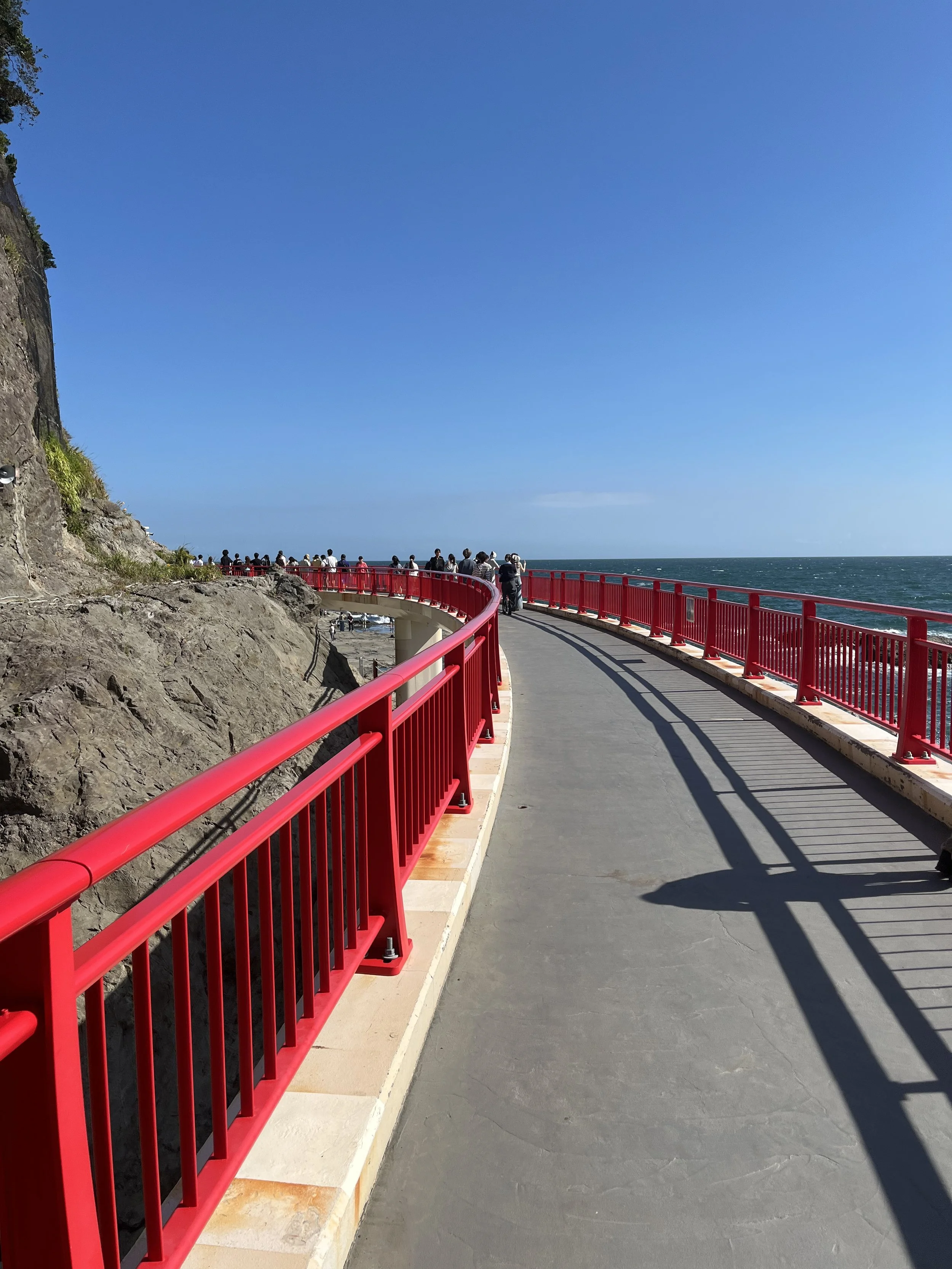
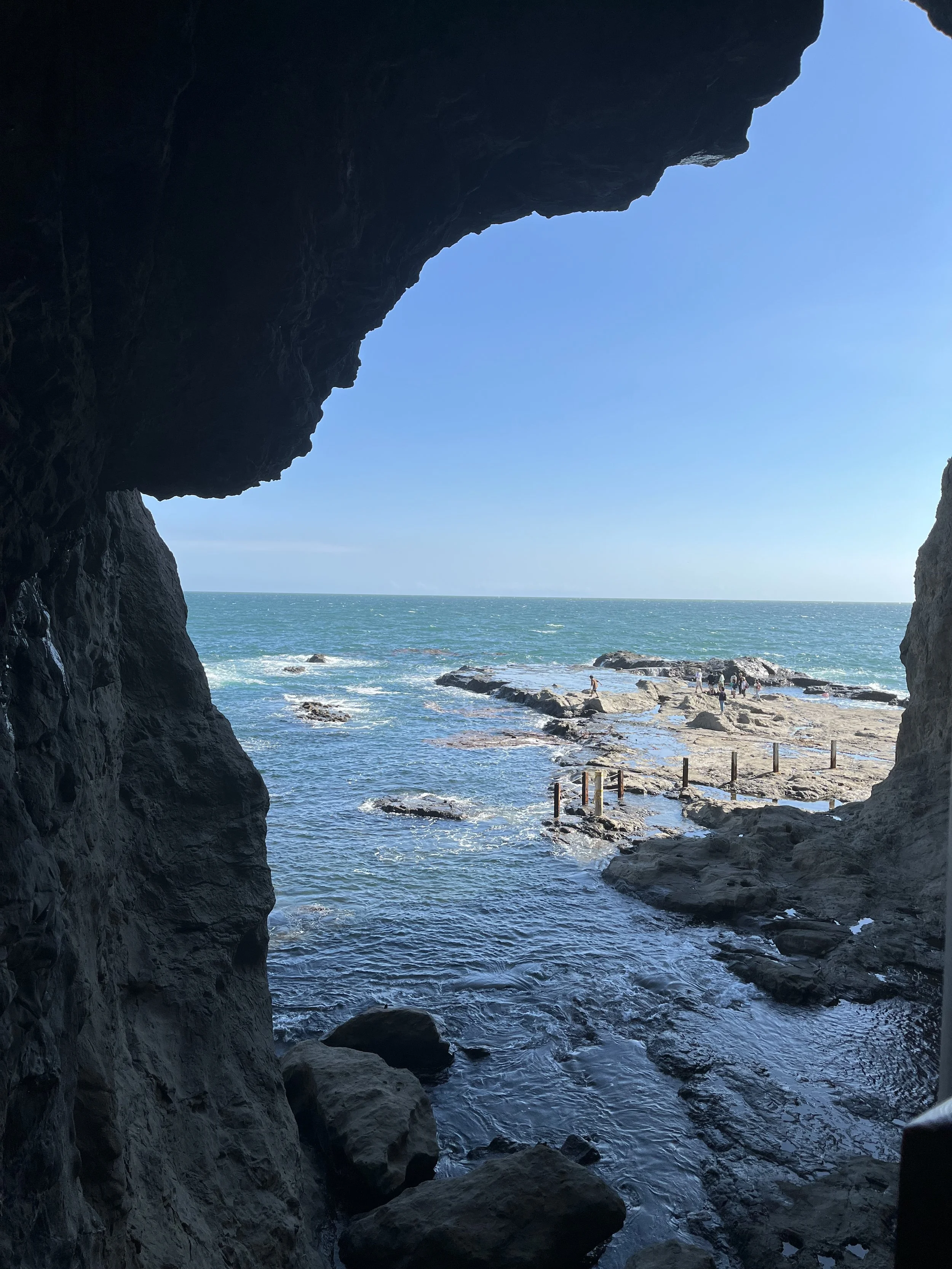
After the sea caves, I walked back up the steep path to head the other direction and continue up to the Enoshima Sea Candle. The Sea Candle is located within a garden complex, which was lovely to explore, but I did pay a bit extra to go up to the top for panoramic views of the coastal region. This was so worth it! I was able to see Mt. Fuji breaking through the haze for the first (and only) time of my trip… absolutely magical. As I headed back towards the train to end my long day of exploring, I made one last special stop into the tiniest wood-fired pizza shop on my way back down the hill. Well worth it - I had a fabulous spicy octopus and green onion pizza that I am still dreaming about.
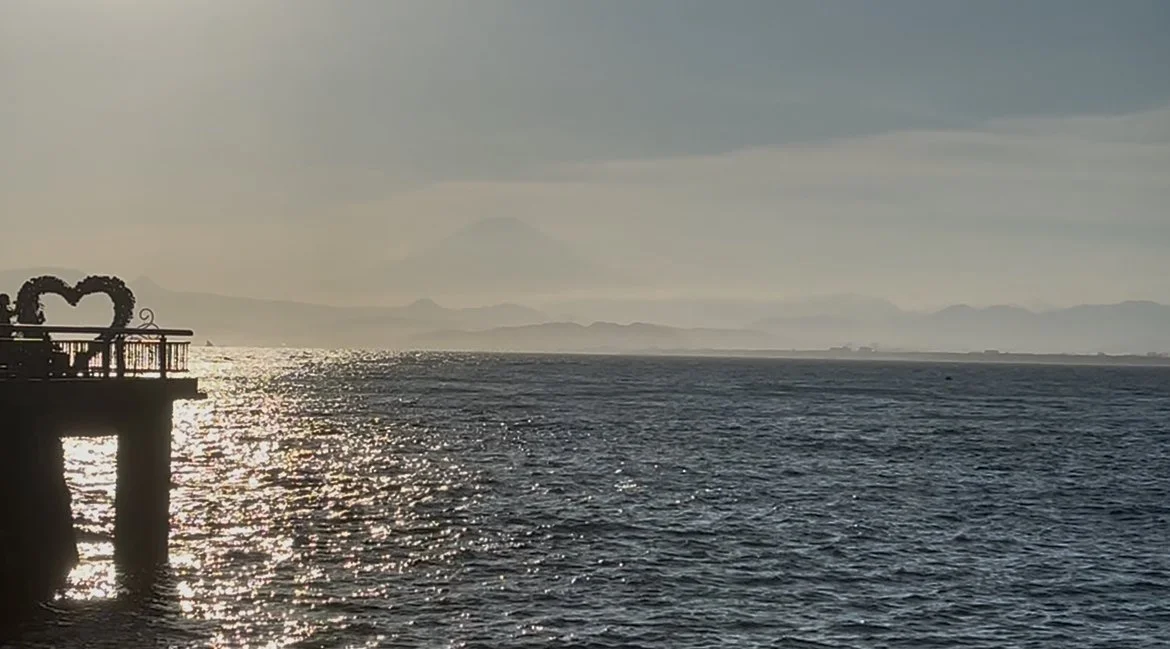
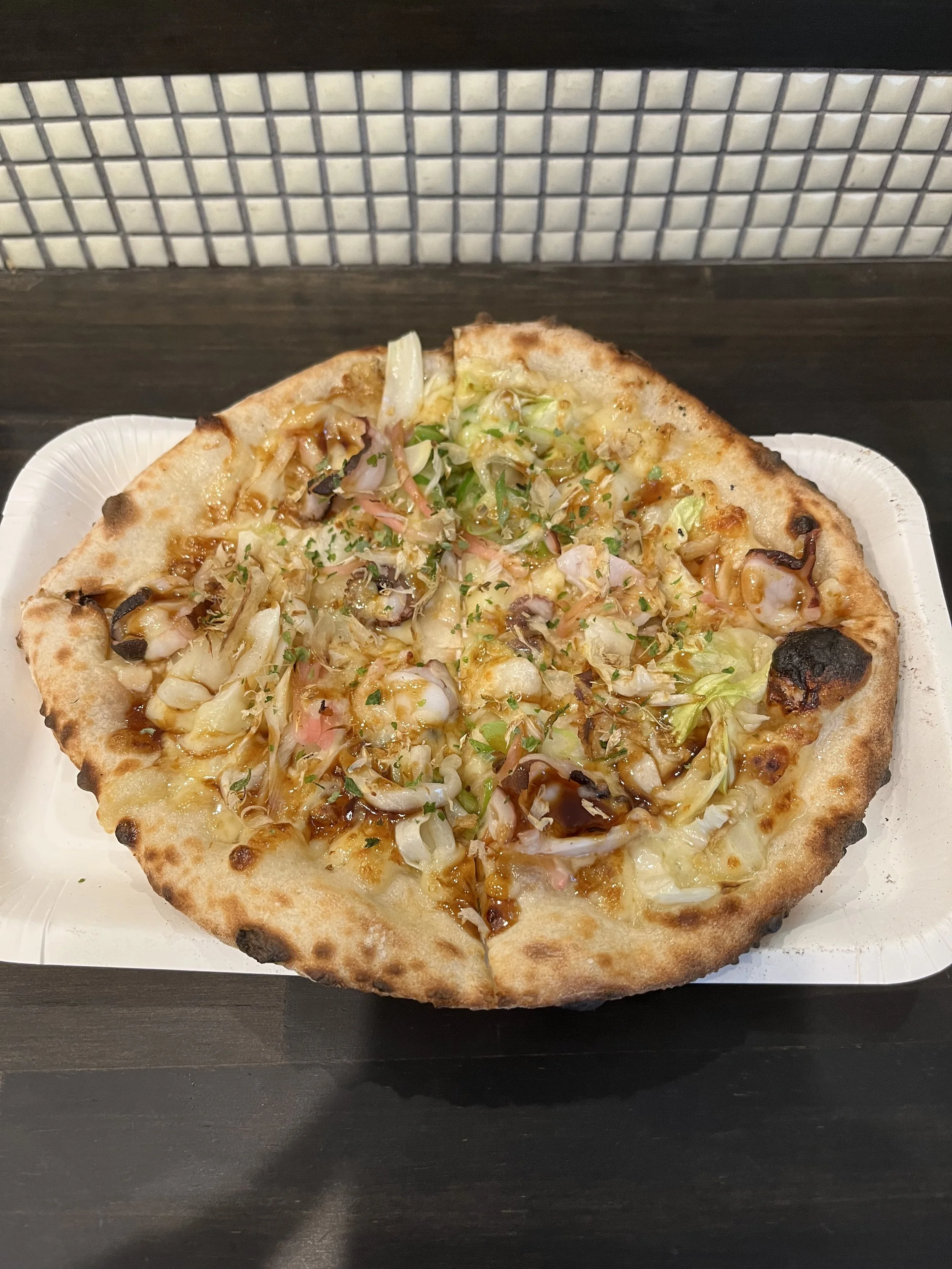
All in all, this coastal region makes for a great day trip but there’s plenty to see, so make sure you’re well-fueled and well-stocked with water and sungear (and save room for pizza).
Into the Woods: Nikko
Another fantastic daytrip direct from Tokyo, Nikko transports you to a world of ancient mossy forests, hidden temples, and peaceful riverside paths. I opted to purchase the Nikko World Heritage Pass ($23), which included roundtrip train tickets, but it did mean I needed to get myself to Asakusa Station early to catch the morning departure! All in, from Shinjuku it was approximately 2.5-3 hours each way to travel to Nikko for the day, but well worth it in my opinion.
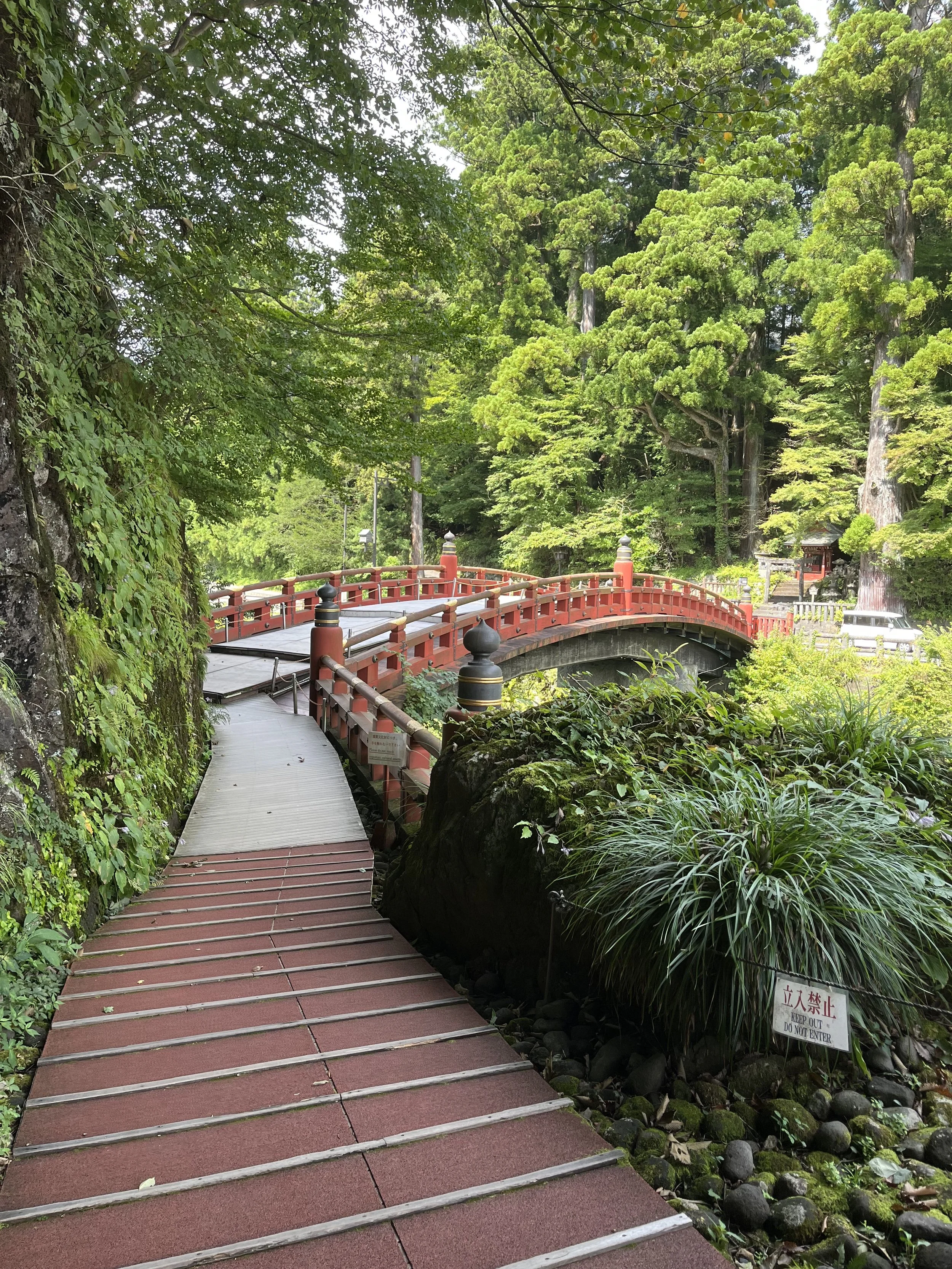
Having arrived in town early, I strolled down the main street to stretch my legs and started with a stop at Shinkyo Bridge. This is an incredibly picturesque spot and is a great start to the day, with the river rushing below and dense forest unfolding in the background. After taking some photos and reading a bit about the history, I stopped for a coffee at Hongu Cafe. Tucked right inside the forest and with a traditional design, this place was great for a peaceful pick-me-up while planning out the rest of my walk.
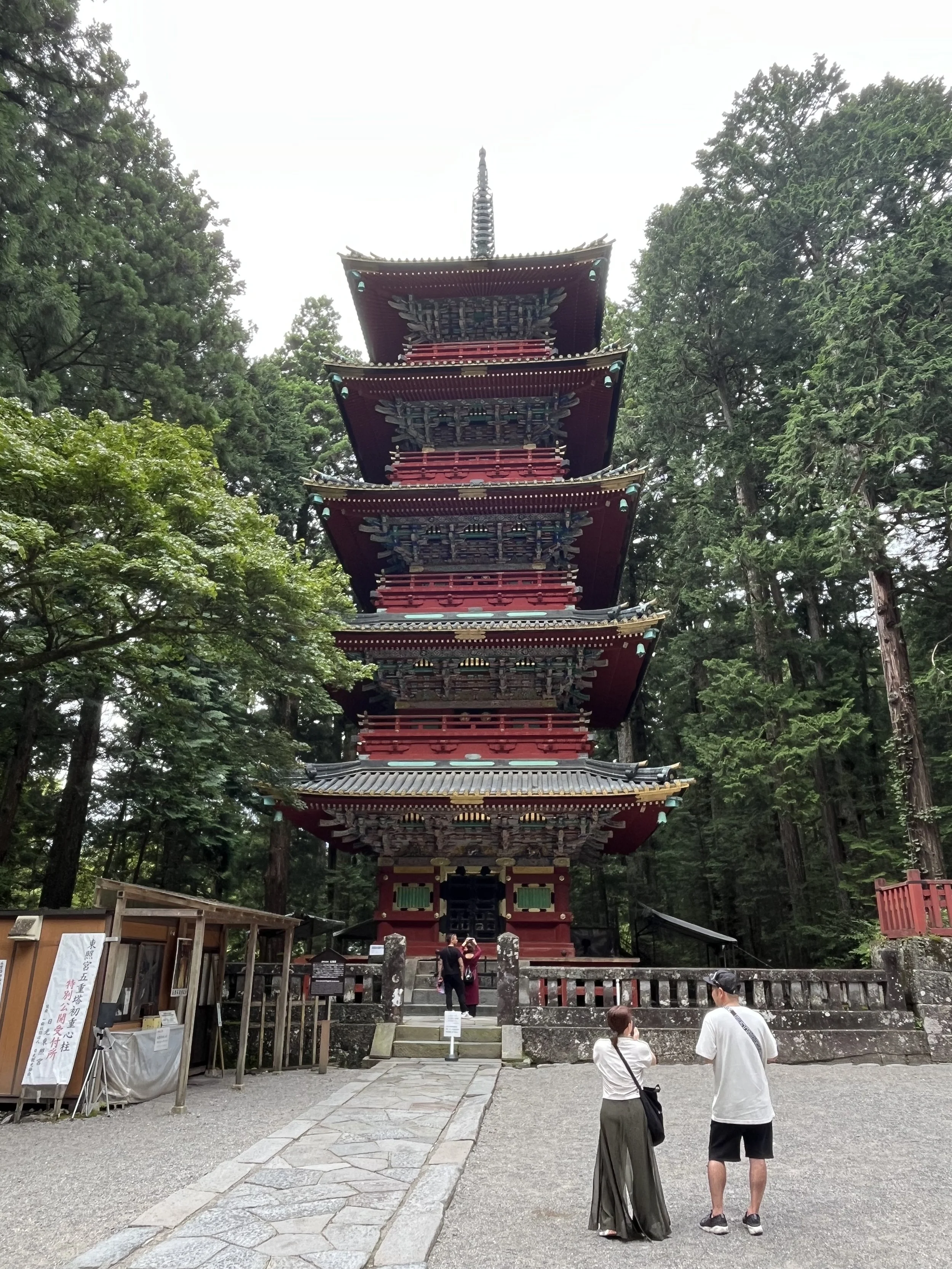
For the rest of the morning, I visited several famous shrines and temples in quick succession, starting with Rinnoji Temple. I sprang for the ticket to go inside this World Heritage Site and see one of the largest wooden Buddha structures in the region. There was also a good deal of information provided on various posters and, since it was a paid experience, was a bit more removed from the main crowds that had started to arrive in the area.
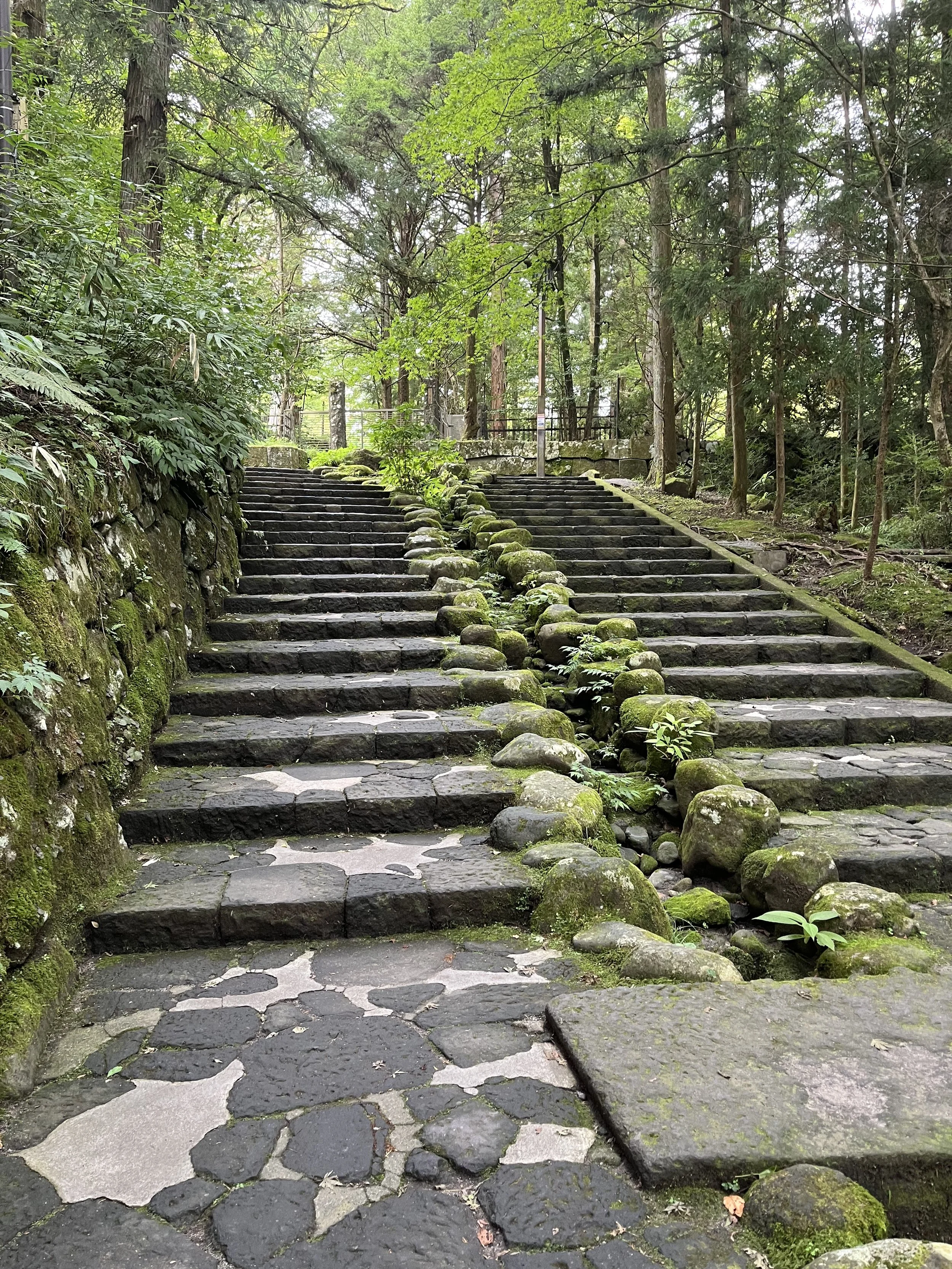
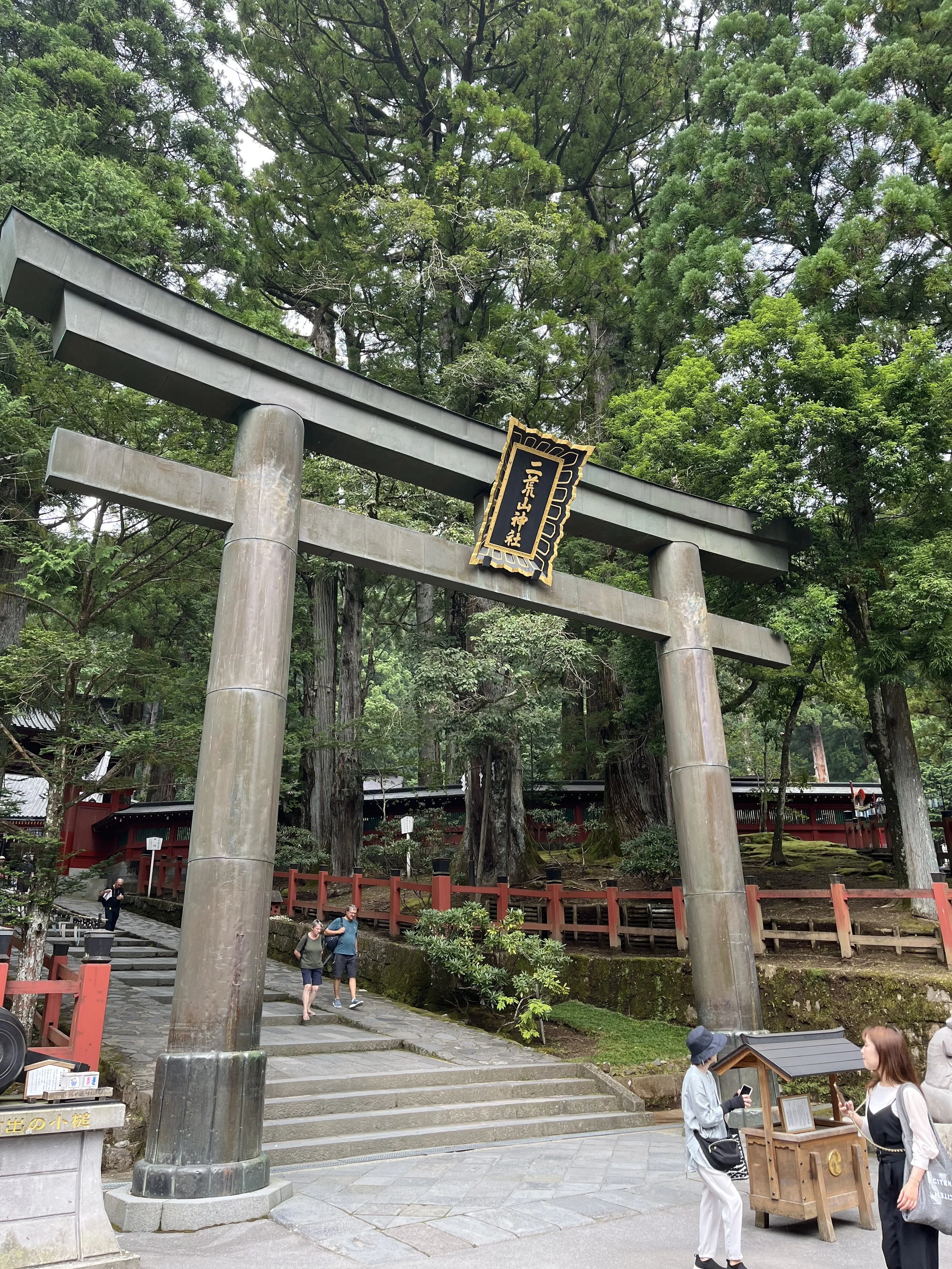
From Rinnoji, I walked further through the forest to Nikko Toshogu Shrine, which boasts incredibly detailed carvings across a large scale site. There were so many intricate details to take in, and the juxtaposition of the human artistry to the wild forest surrounding us was really interesting. When I was at the site, many large groups of schoolchildren were arriving for field trips, so I opted to hurry on to Futarasan Jinja via the Kamishinmichi Path through the forest. The trees here are incredibly tall and feel so ancient, adding an ethos to the spiritual sites throughout the area. Futarasan Jinja was also a beautiful spot - a bit quieter and smaller than the previous two - so it felt like a nice way to wind down the morning’s walking tour before looking for lunch.
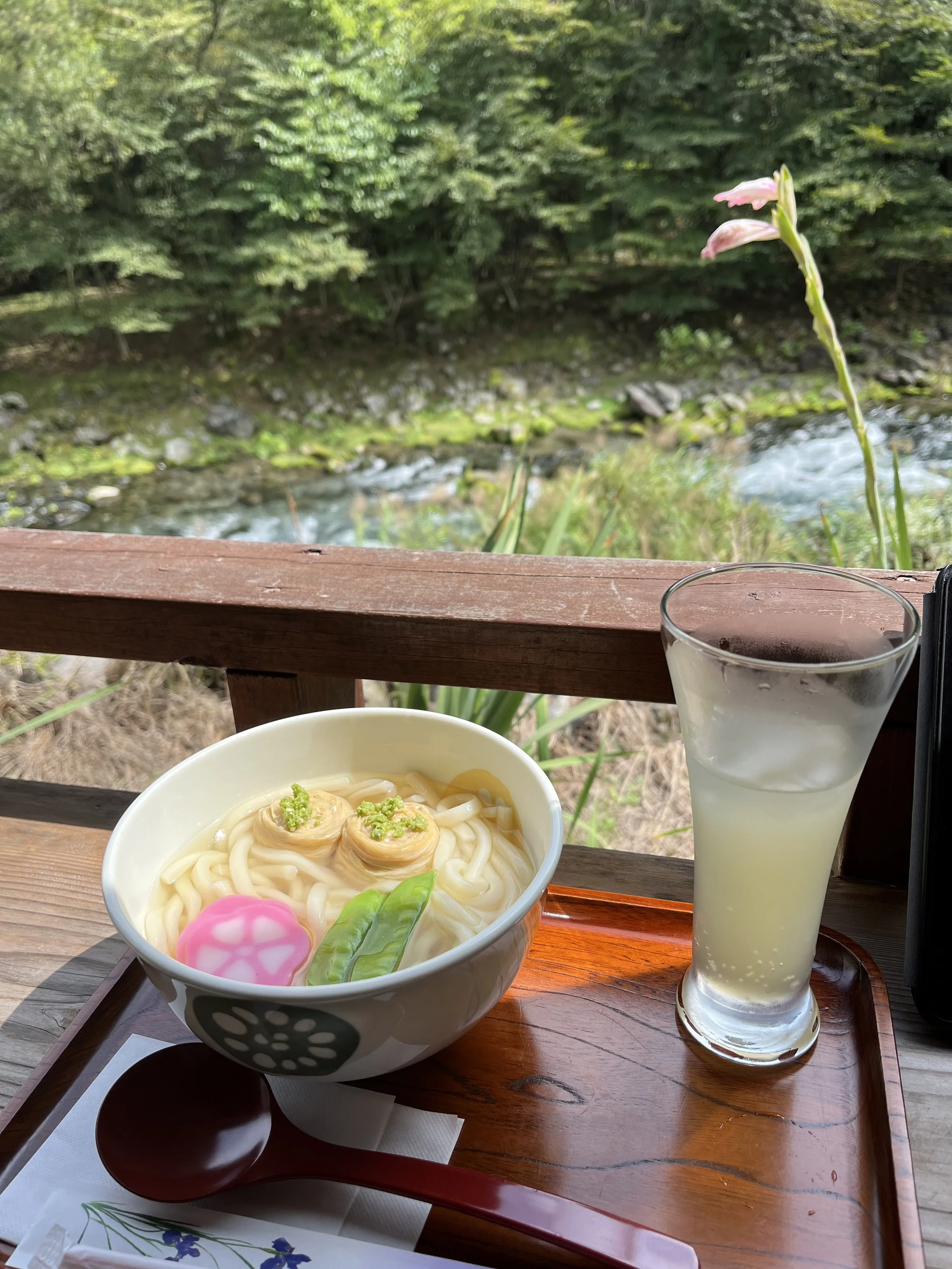
I walked back into the main town and down along the river to a very small udon shop called Santenamataro. Here I was able to try the local specialty of Nikko, yuba (tofu skin), which had been rolled into a dumpling-like form and added to my udon. It was the perfect cozy meal to have while watching the river rush by towards Shinkyo Bridge. The whole time I was here, only one other couple came by to eat, so it felt like a real hidden gem.
After my delicious lunch break, I continued walking along the river, crossed over a bridge, and carried on to Kanmangafuchi Abyss, which was the site I was most excited to see in Nikko. This site boasts a path that runs along the river as it rushes over rapids and large boulders. Deep in the forest, it is incredibly peaceful and removed from the tourist hub-bub on the other side of the river. What makes it extra special are the Ghost Jizo statues that line the path, of which there are dozens in various states of disrepair. They definitely lend an ethereal quality to the walk.
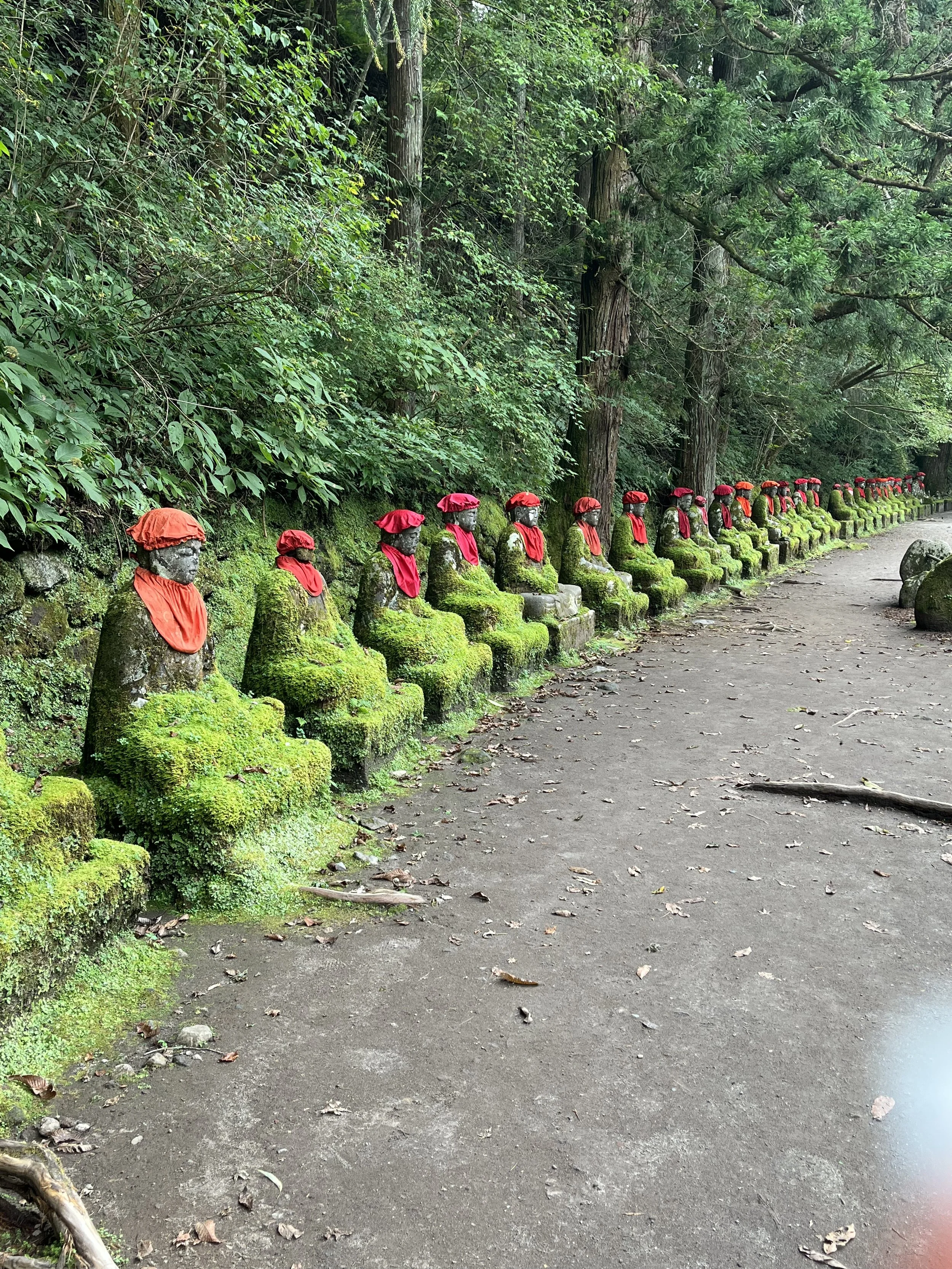
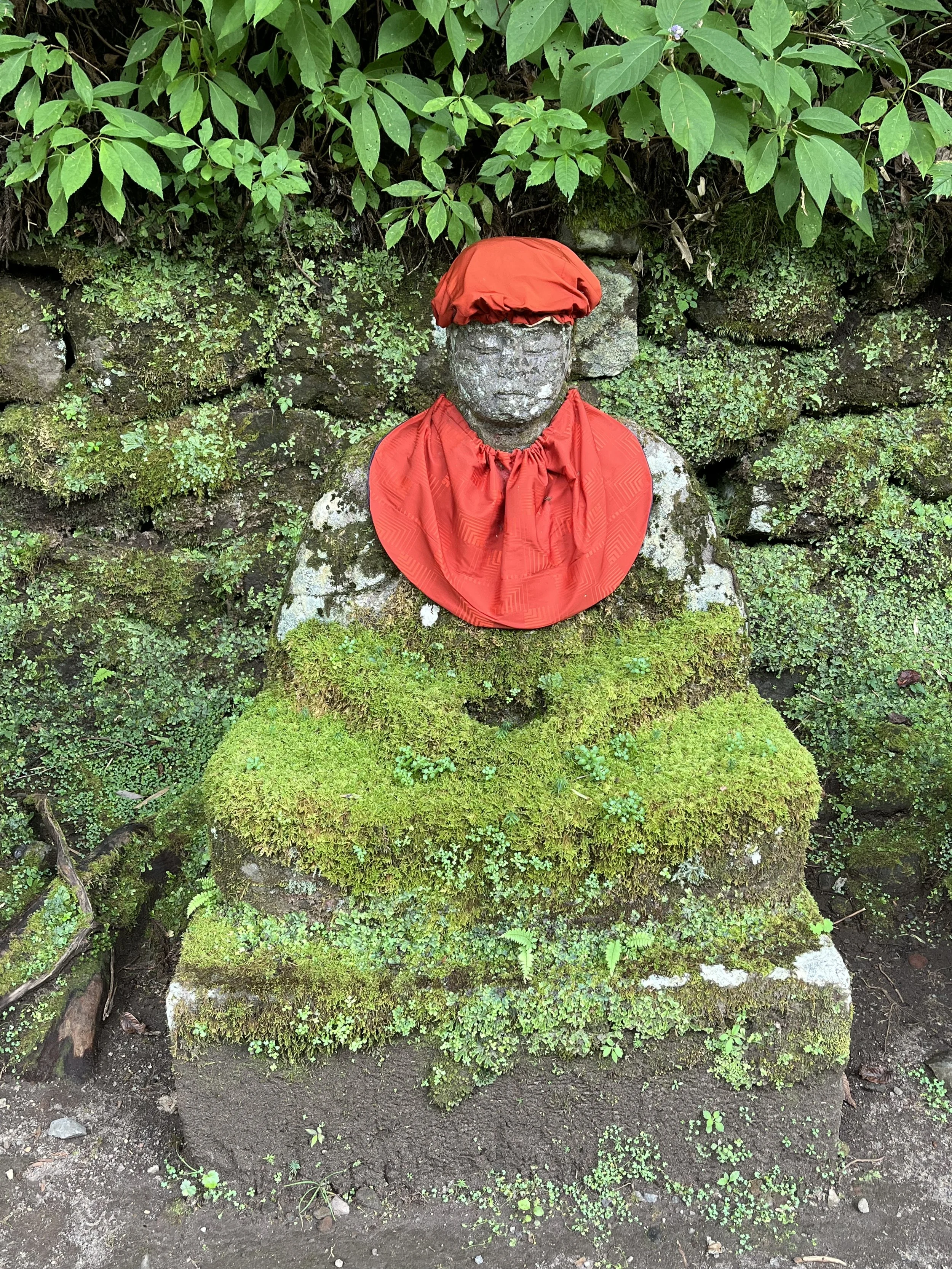
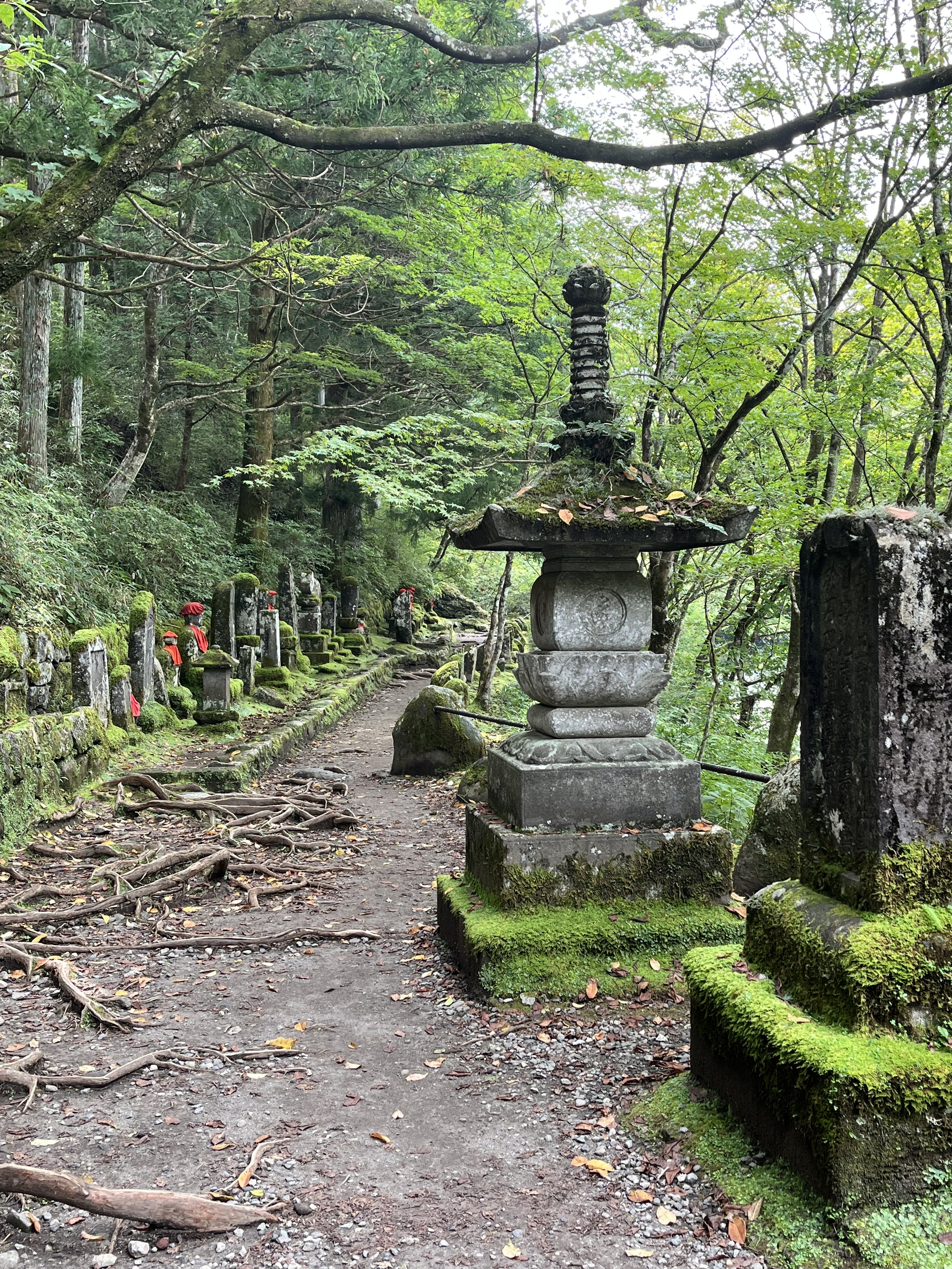
At this point in the afternoon, I was exhausted from many miles of walking so I grabbed the local buses back to the train station, enjoyed a cup of tea and slice of cake, and headed back towards Tokyo! A day well spent.
Highlights of Hakone
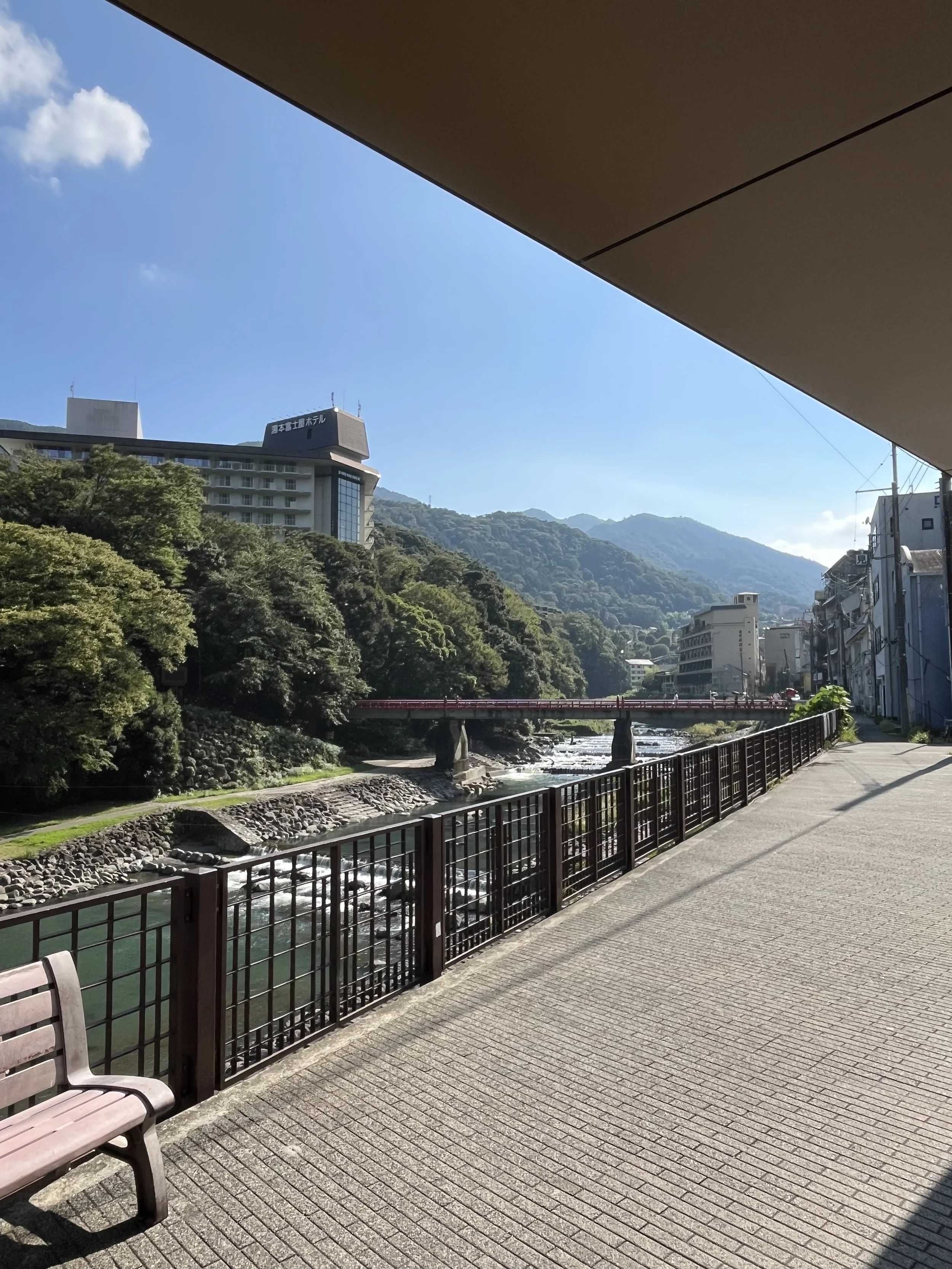
Although I often refer to it as a daytrip, you really need to spend at least one night (and ideally 2 or 3!) in Hakone to have the full experience. This mountain town is known for its natural hot springs, meaning that local onsens abound! I was able to stay at K’s Hostel Hakone which actually had two private onsens onsite, one indoor and one outdoor, which regularly rotated by gender. Though the hostel was mostly catering to foreign travelers, it was still a taste of the authentic Japanese onsen experience (meaning no clothes or swimsuits allowed!).
While the onsens are a big draw, there’s much more to see throughout Hakone. I purchased the Hakone Free Pass ($45) which included all baseline public transport costs to get to Hakone from Tokyo and also exploration on the Hakone tourist loop. I felt this was a really great deal, especially considering that the Hakone tourist loop includes a sightseeing train, mountain cable car, multi-stage ropeway, pirate ship lake crossing, and local buses. But more on that below…
For my full day in Hakone, I got an early start and headed out on the scenic train to check out the Hakone Open Air Museum. This was one of the coolest museum experiences I’ve had in a while, with most of the exhibits spread out across the museum’s grounds, which are nestled between the sprawling hills of the region. Many of the exhibits are interactive, and I found myself navigating mazes, going through narrow underground tunnels, and of course climbing the beautiful stained-glass tower. The Picasso exhibit hall here is extremely impressive, exhibiting many of his works across different periods of his art, and also across media. After a long morning of strolling around the grounds, you can even soak your feet in their onsite, outdoor, foot bath. Not only is it fed with the museum’s own geothermal water source, but the views are stunning.
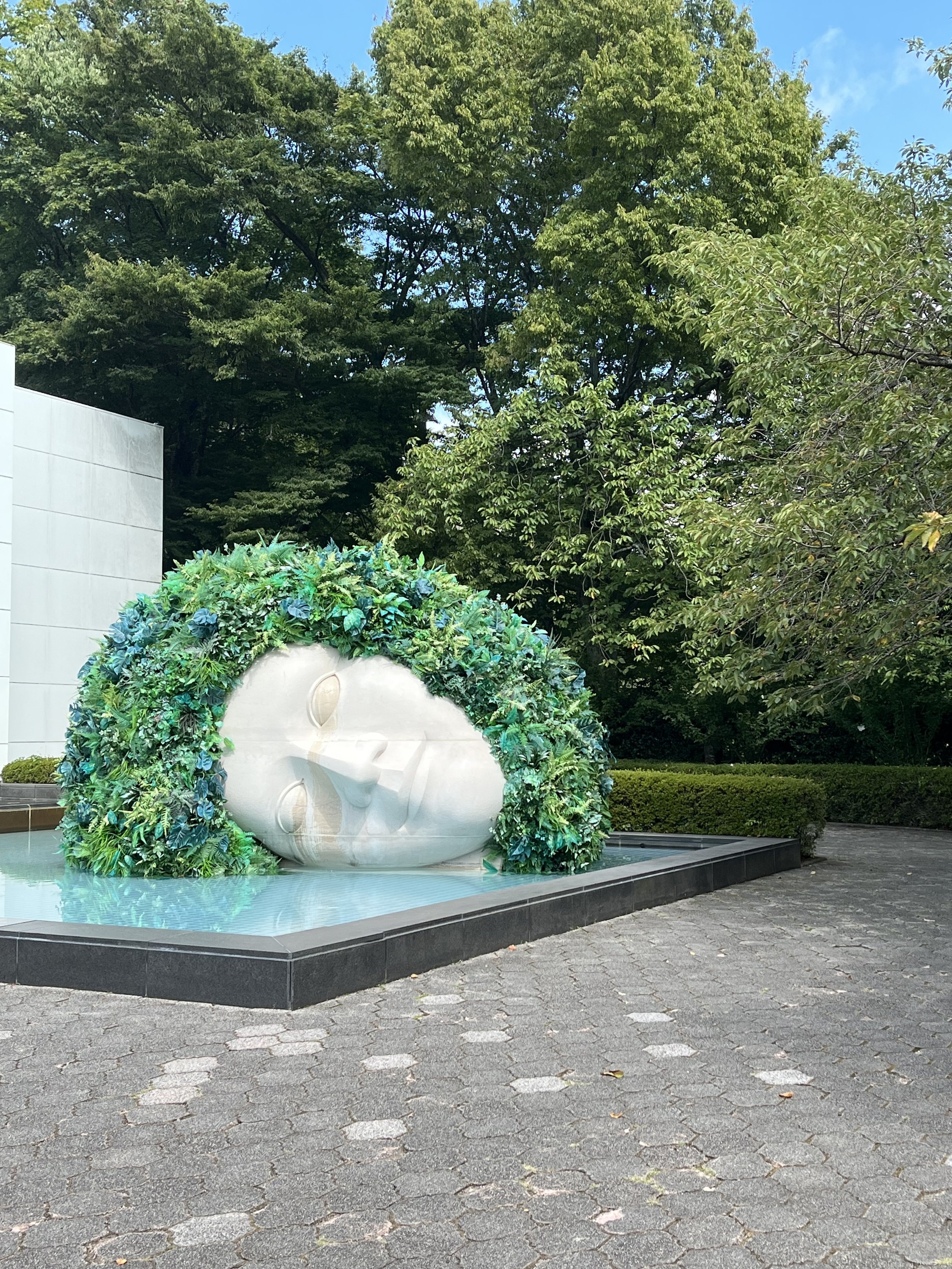
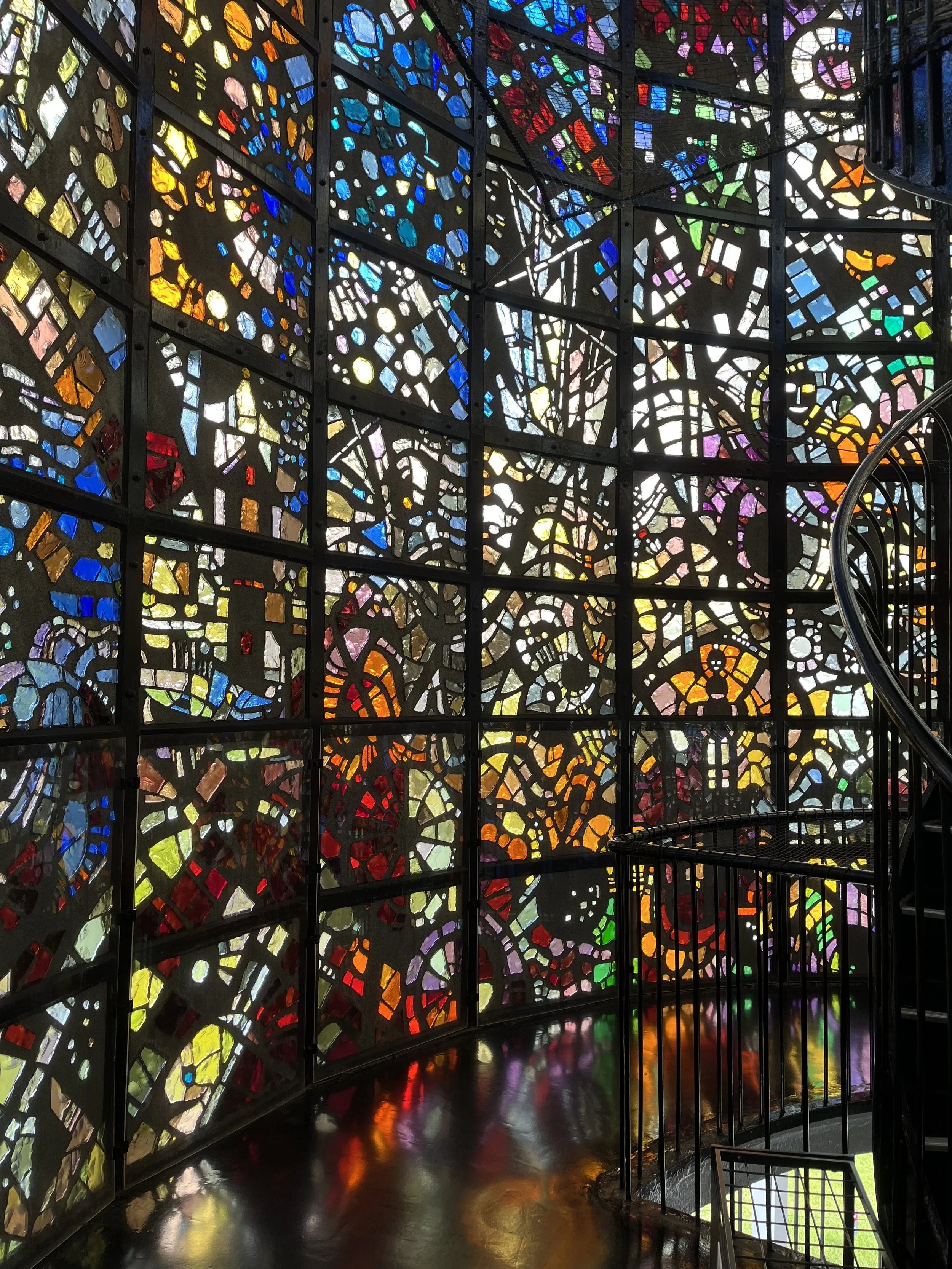
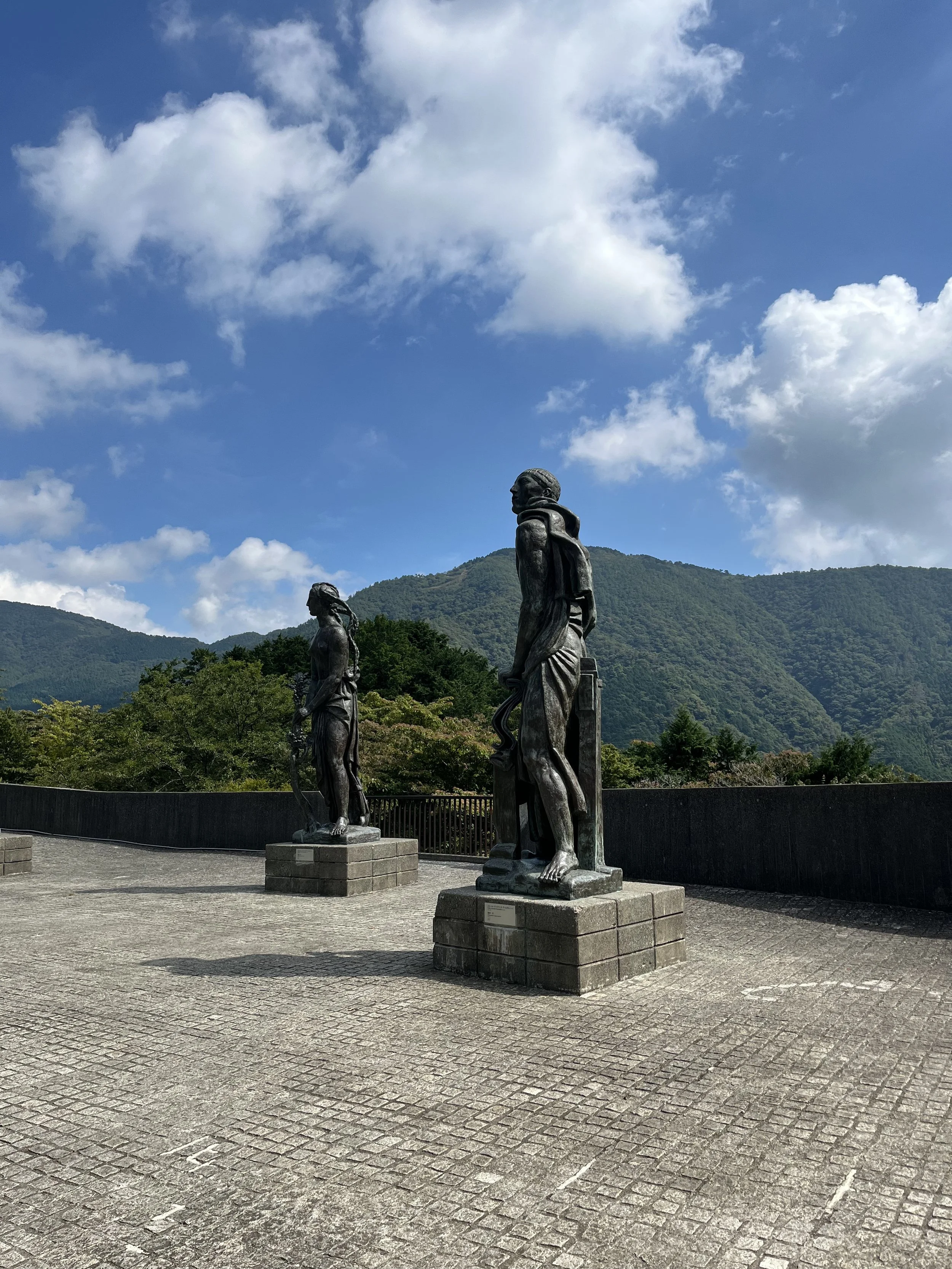
Following the Open Air Museum, I strolled into Gora proper to grab lunch at a cafe before heading onto the second of today’s many forms of transportation - the cable car. This tram navigated steep tracks up the side of the mountain until we reached the peak, after which, we transferred to the aerial cable car for multiple stations. The views from the cable car were unparalleled, especially as we crested the top of the hill prior to Owakudani Station. At this point, the sulfur vents were spread out on the mountainside below, covered in yellow crystals and releasing heaps of steam and fumes. It was a full multi-sensory experience!
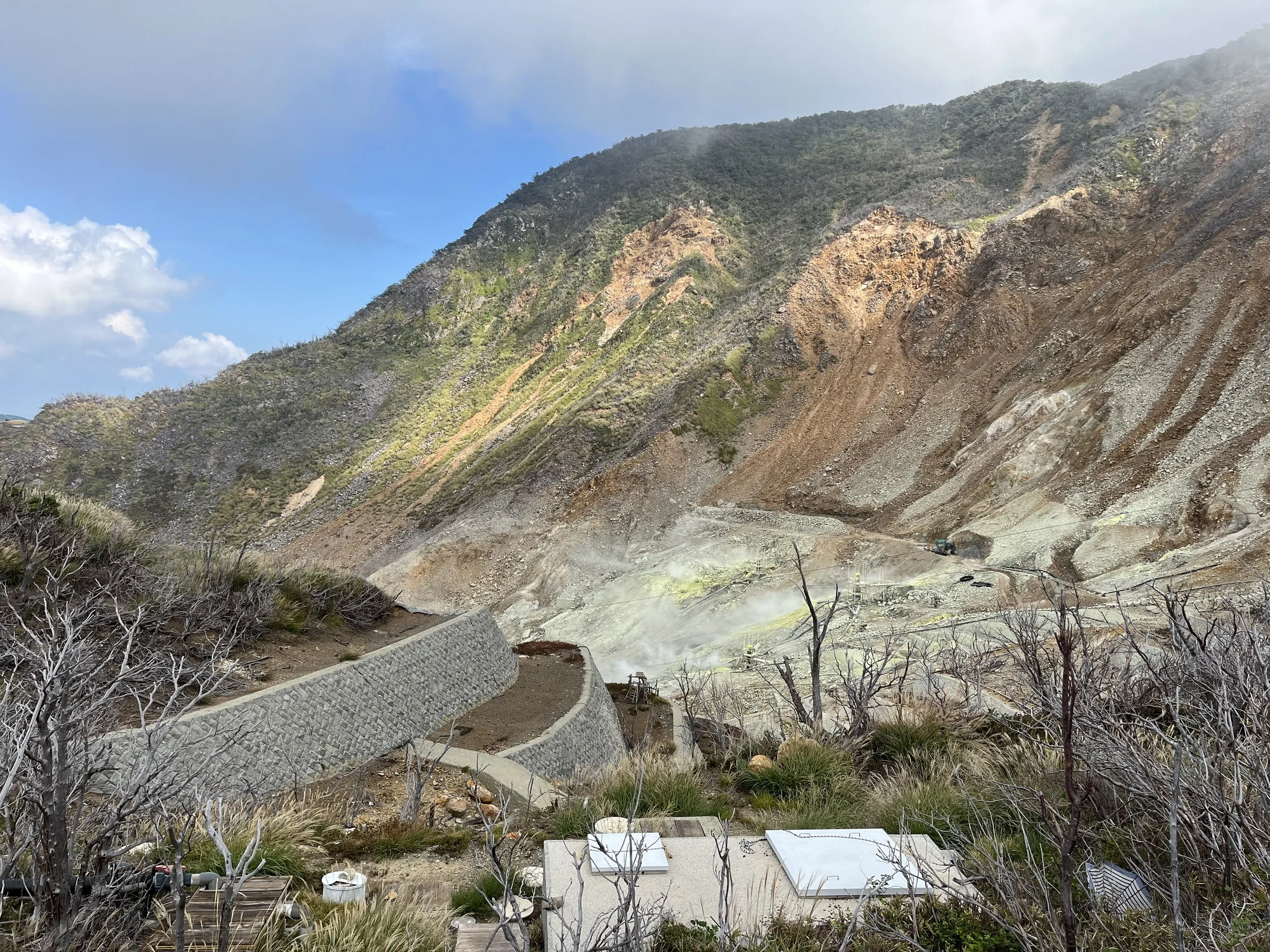
Views over the sulfur fields during the cable car ride.
I stopped off at Owakudani to get a closer view of the sulfur fields from their observation points, and of course had to partake in a local treat… While I wanted to try the famous black egg, they are only sold in batches of four and I couldn’t quite commit to that, so I settled for some charcoal chocolate ice cream (yum). I thought this was a really fun stop on the loop!
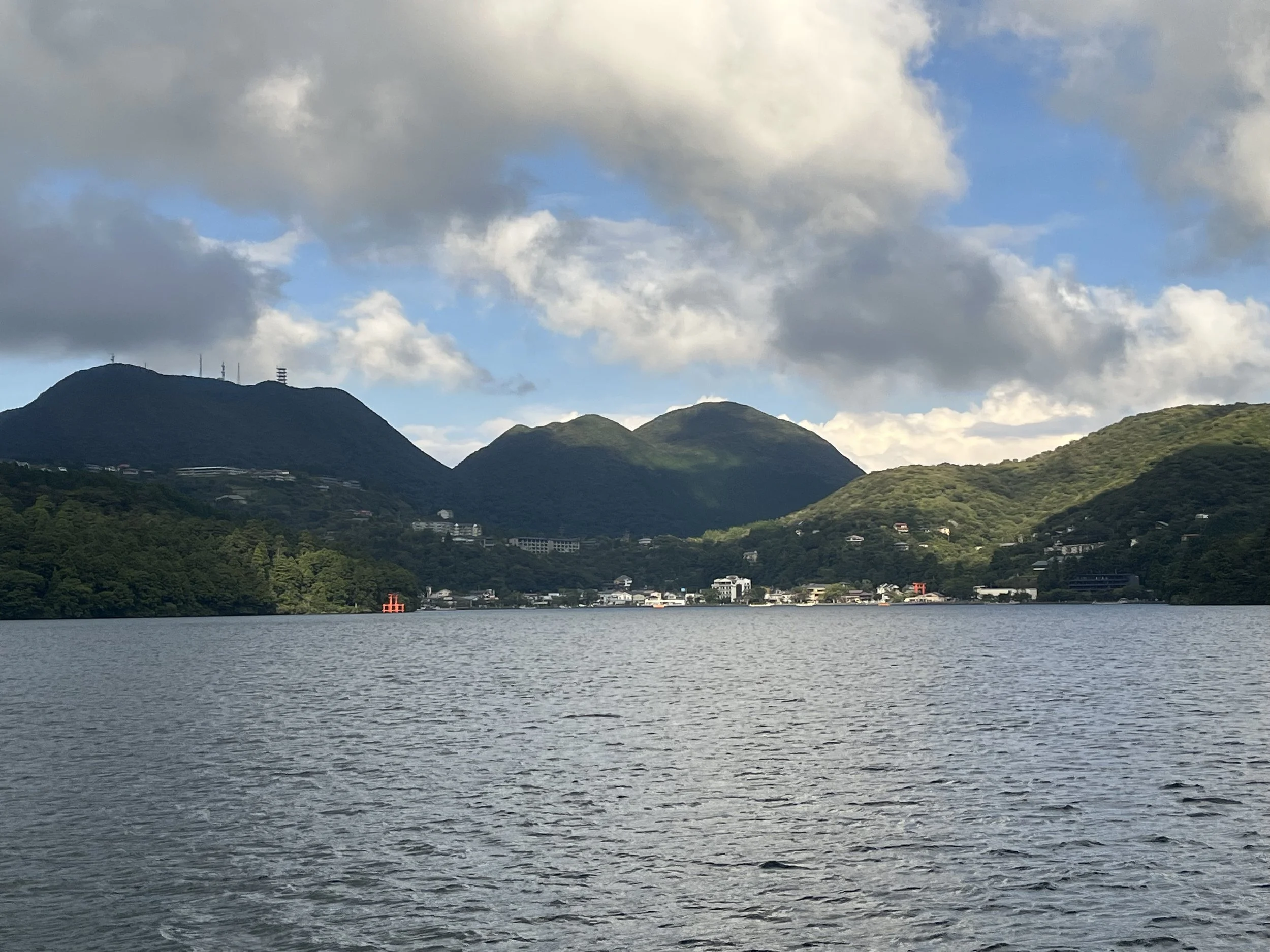
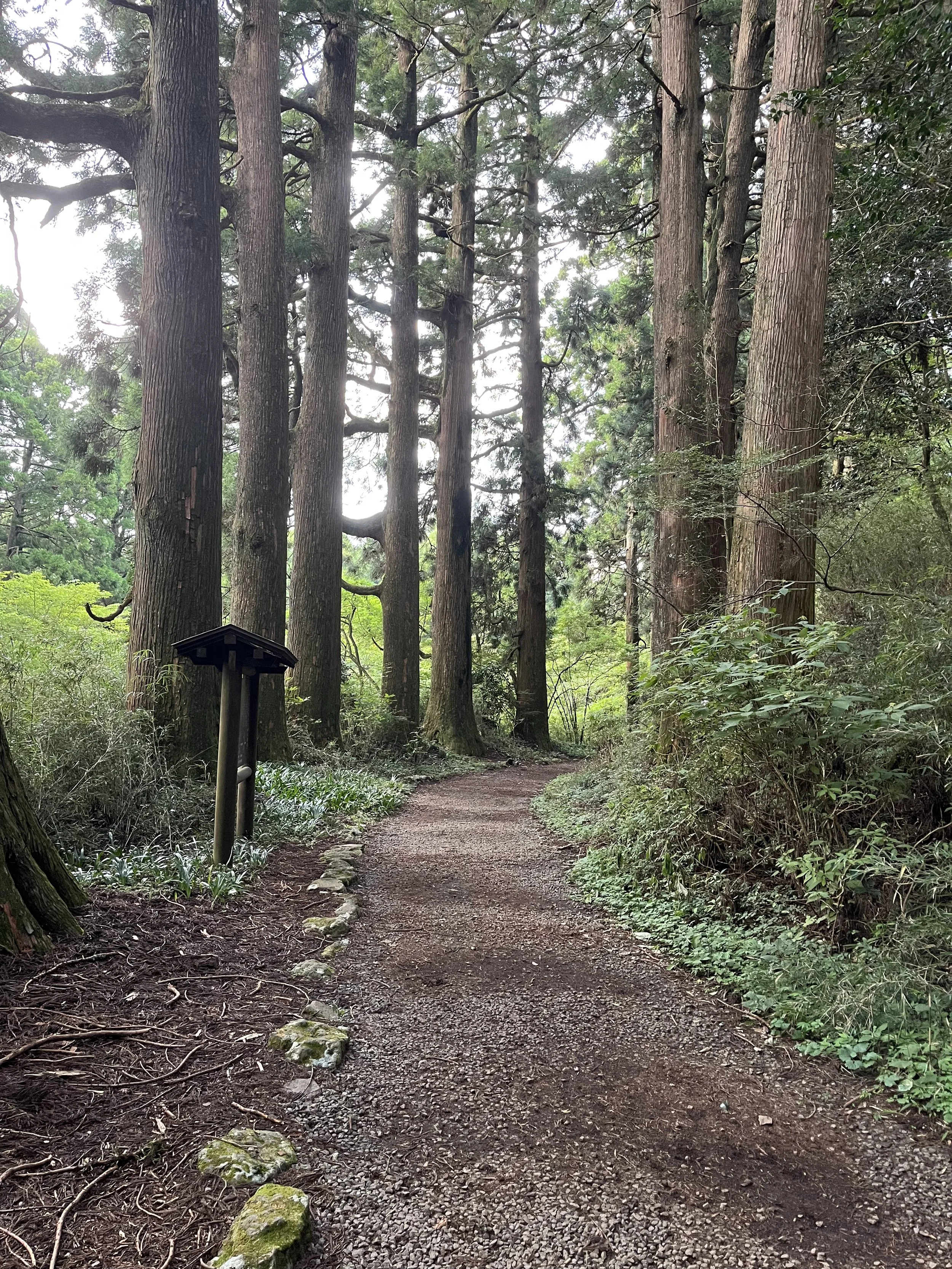
After my excursion at the peak, I hopped back in a cable car to head down the other side of the mountain, which brought us to Lake Ashi and specifically Togendai Port. Little did I know, I was just in time to catch the last pirate ship sailing of the day (thankfully I didn’t end up stranded) and enjoyed the fun cruise across the lake. Rather than take the pirate ship all the way to Motohakone, I opted to get off a stop early so I could walk back along the Old Tokaido Cedar Avenue. This was a great choice - I had the path all to myself and was surrounded by towering cedars, dampening sounds from any traffic and human activities nearby. It was a great way to end my Hakone Loop. For the final leg, I ran into 7/11 for the snacks and managed to catch the K bus all the way back to K’s Hostel, where I enjoyed another round in the onsen as reward for a day well spent.
Magical Minoh
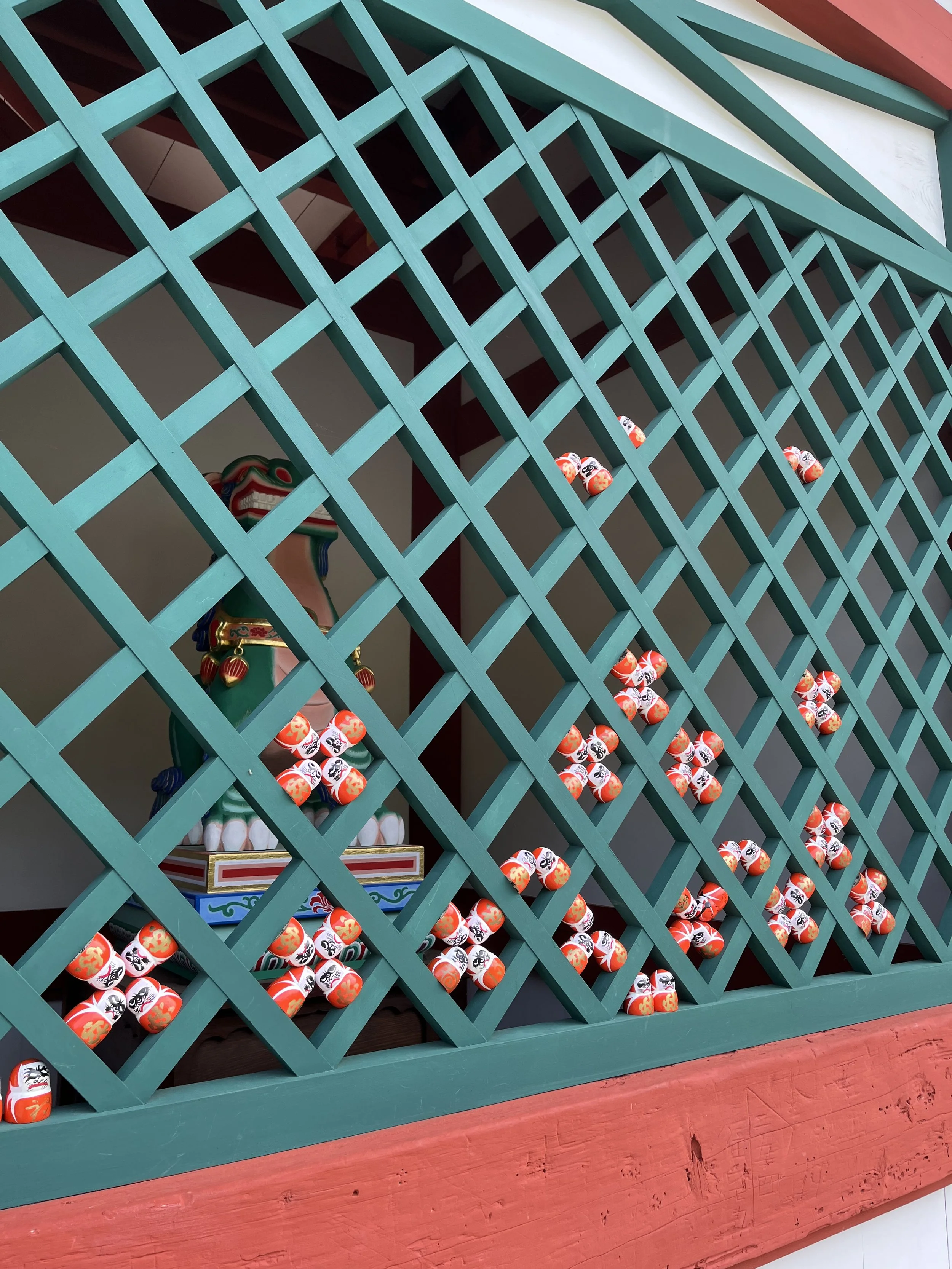
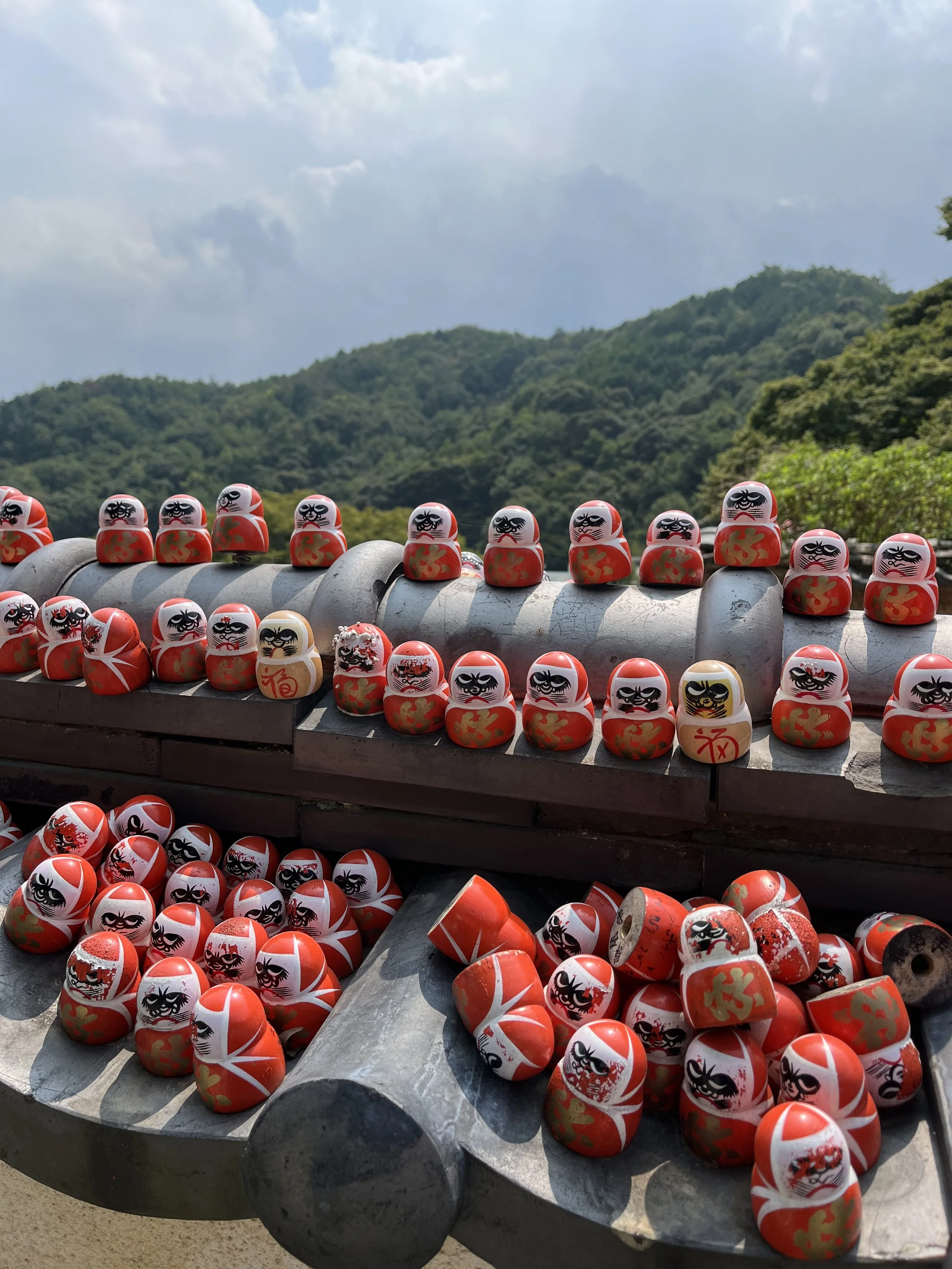
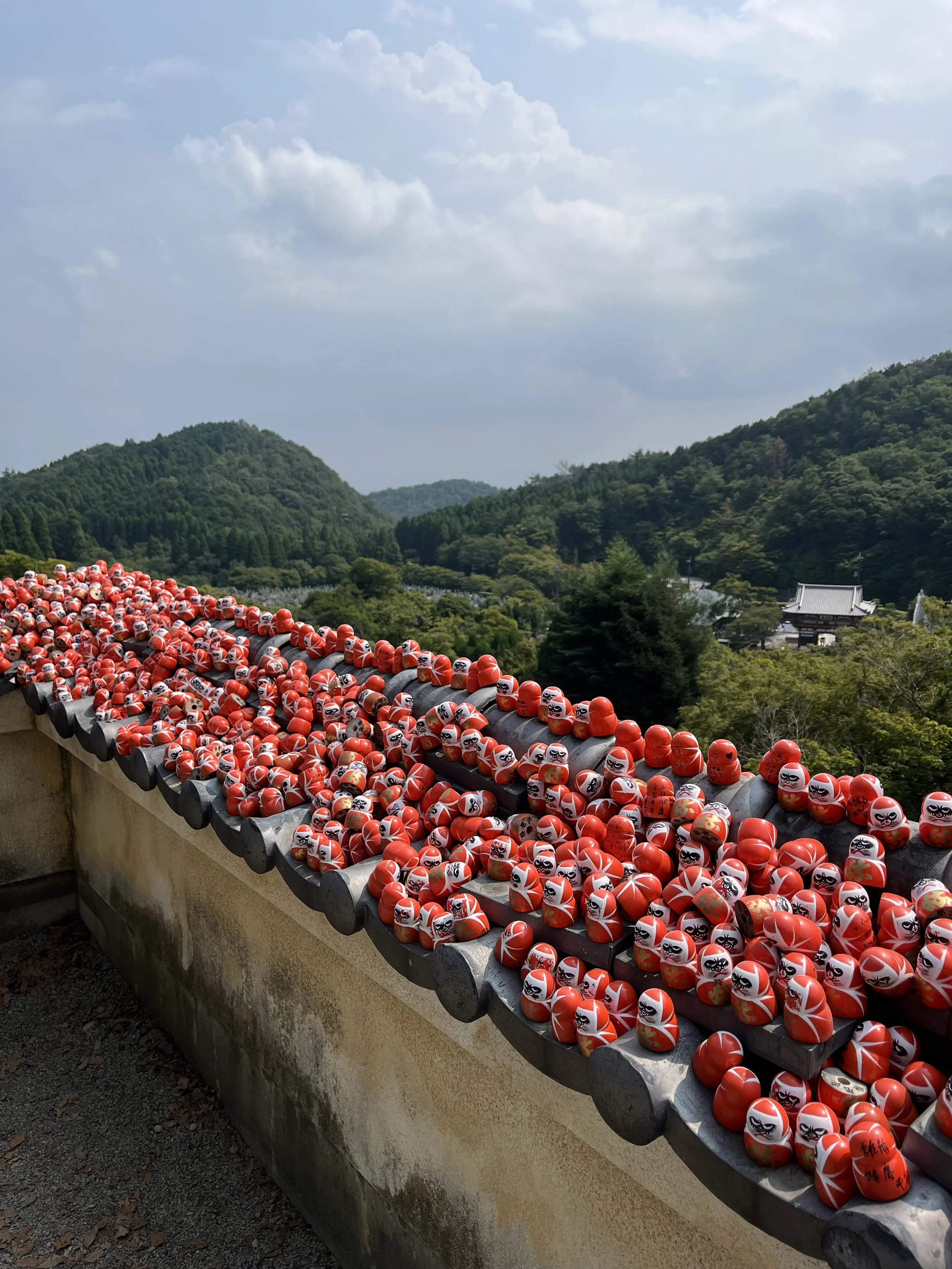
Minoh was one of my easiest daytrips, at only 30-40 minutes from Osaka by train. I was originally drawn to the area by Katsuoji Temple, famous for its hundreds and hundreds of daruma dolls, but there is more to see in Minoh!
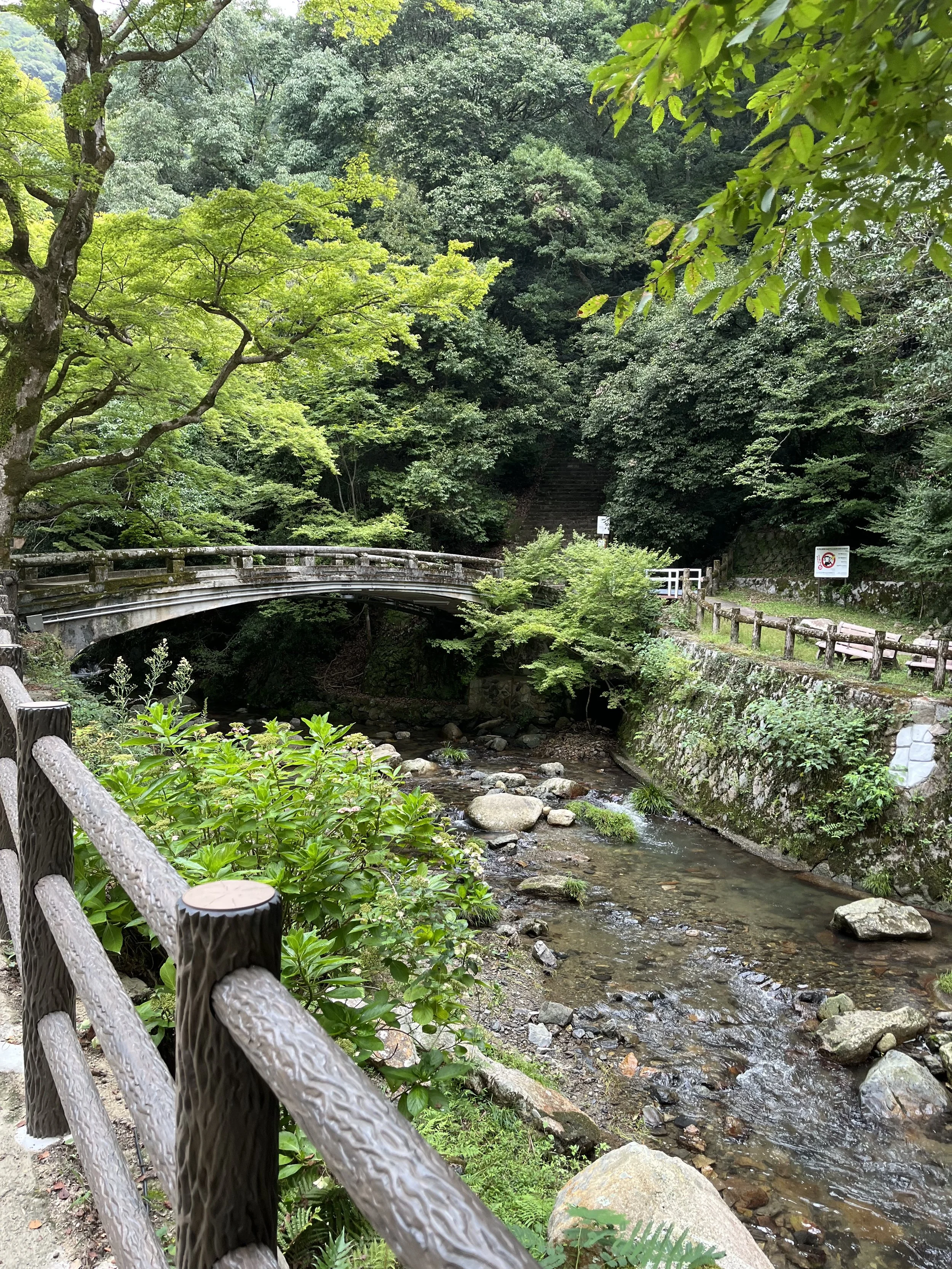
I started by strolling directly from the train station into Minoh Park, which boasts a beautifully maintained, paved walking path through the forest, passing by quaint shops closer to the start of the train and eventually fading into total forested surroundings. After about 40 minutes, you reach Minoh Falls, dropping from an impressive height and casting mist over the viewing platform. This was one of, if not the most beautiful stroll of my trip to Japan - so peaceful and super easy to navigate, with several smaller temples and shrines along the way for those looking to explore further.
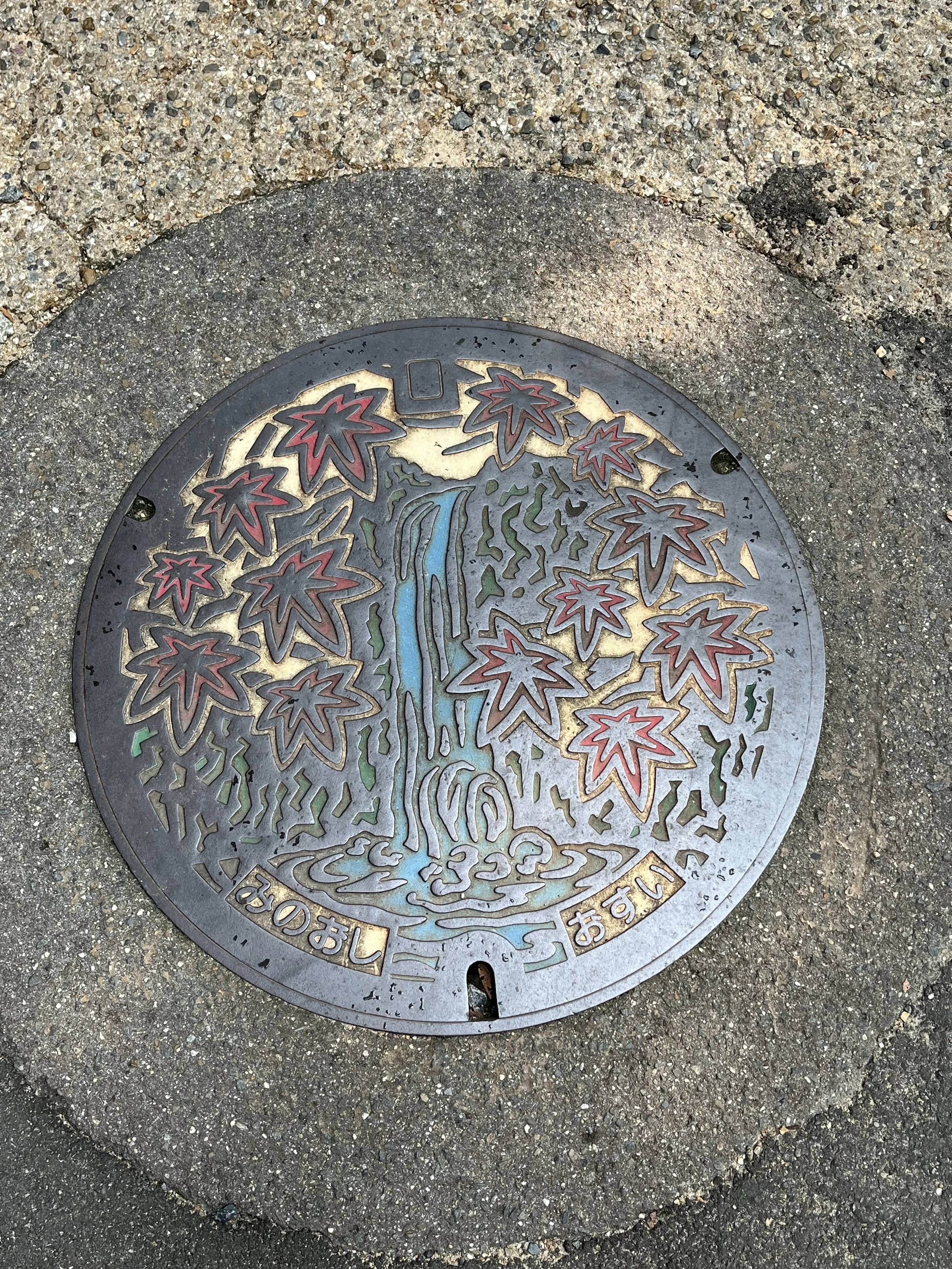
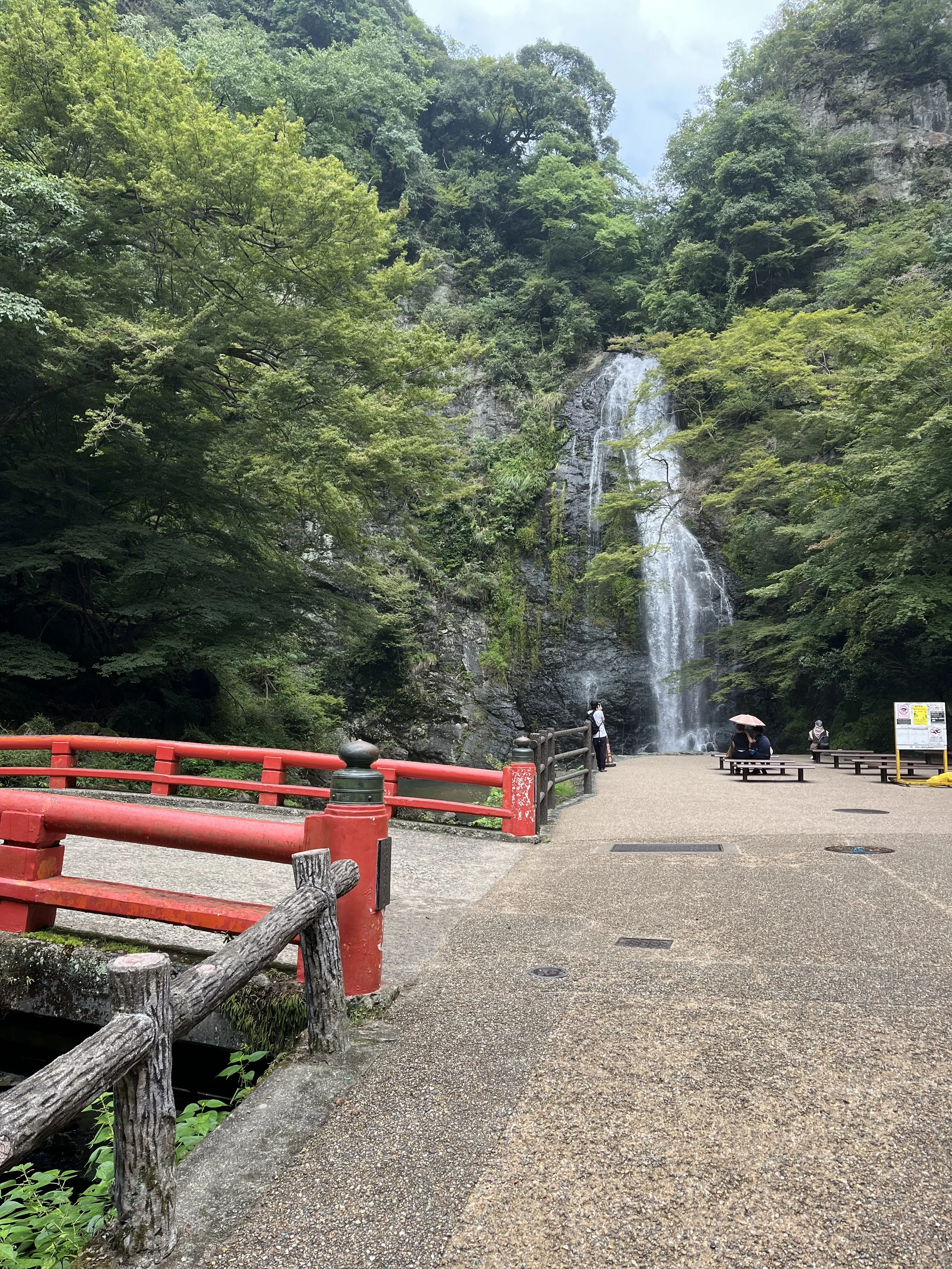
After checking out the waterfall, I climbed up a series of steep ramps to get up to the main road and parking lot area. I had intended to walk an additional 40 minutes to reach Katsuoji Temple on foot, but on seeing the narrow and windy mountain road (and the speed at which cars were passing), I splurged for an uber to drive me to the entrance.
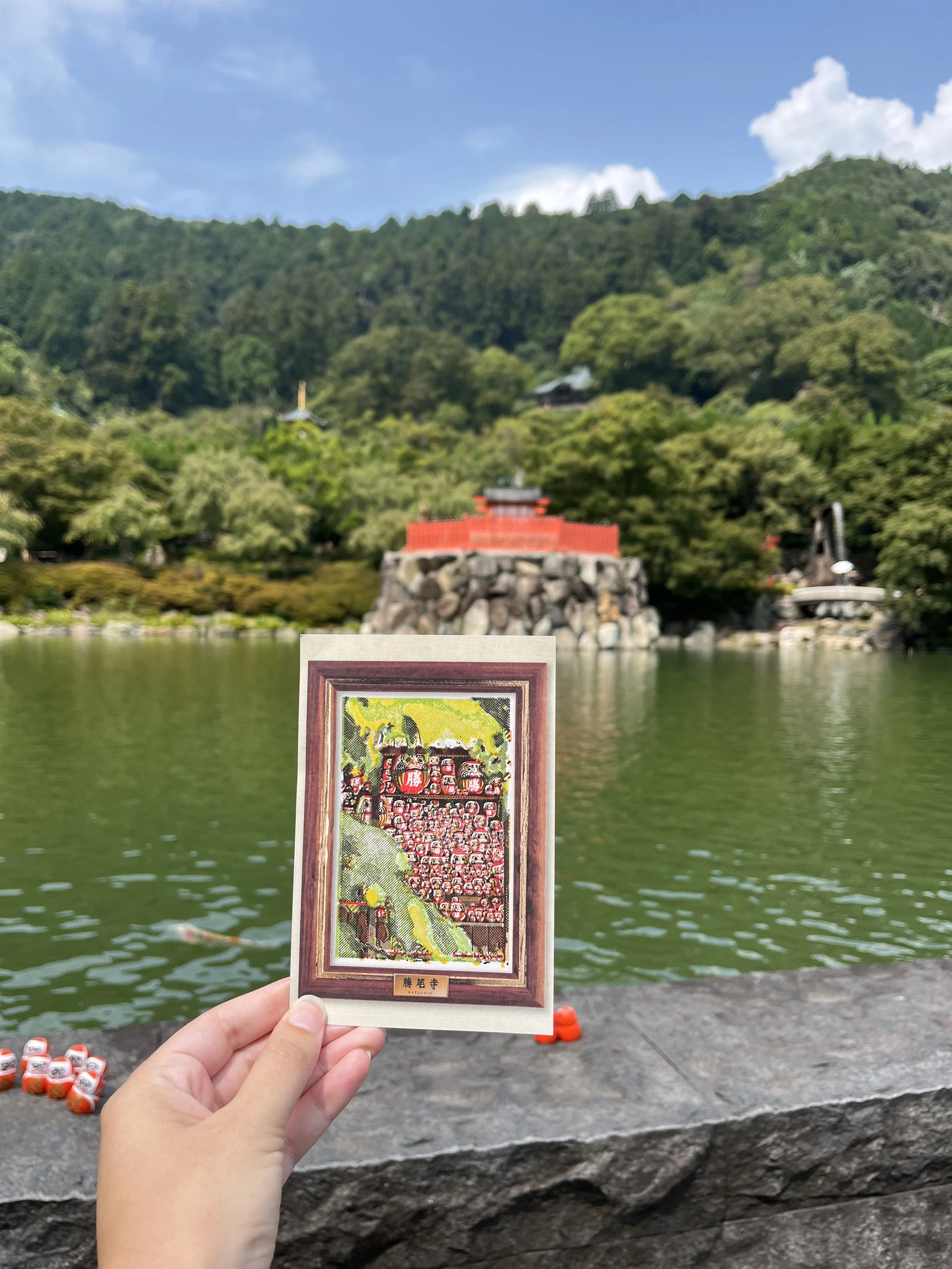
Katsuoji Temple itself was so much fun! The temple grounds are sprawling and the daruma dallas are everywhere - it was so fun to try and spot the most interesting placements. This temple also has one of the best souvenirs I’ve seen on the trip so far - a blank postcard, which through a series of 8 different stamp stations around the temple, becomes a lovely piece of art by which to remember your visit. So fun!
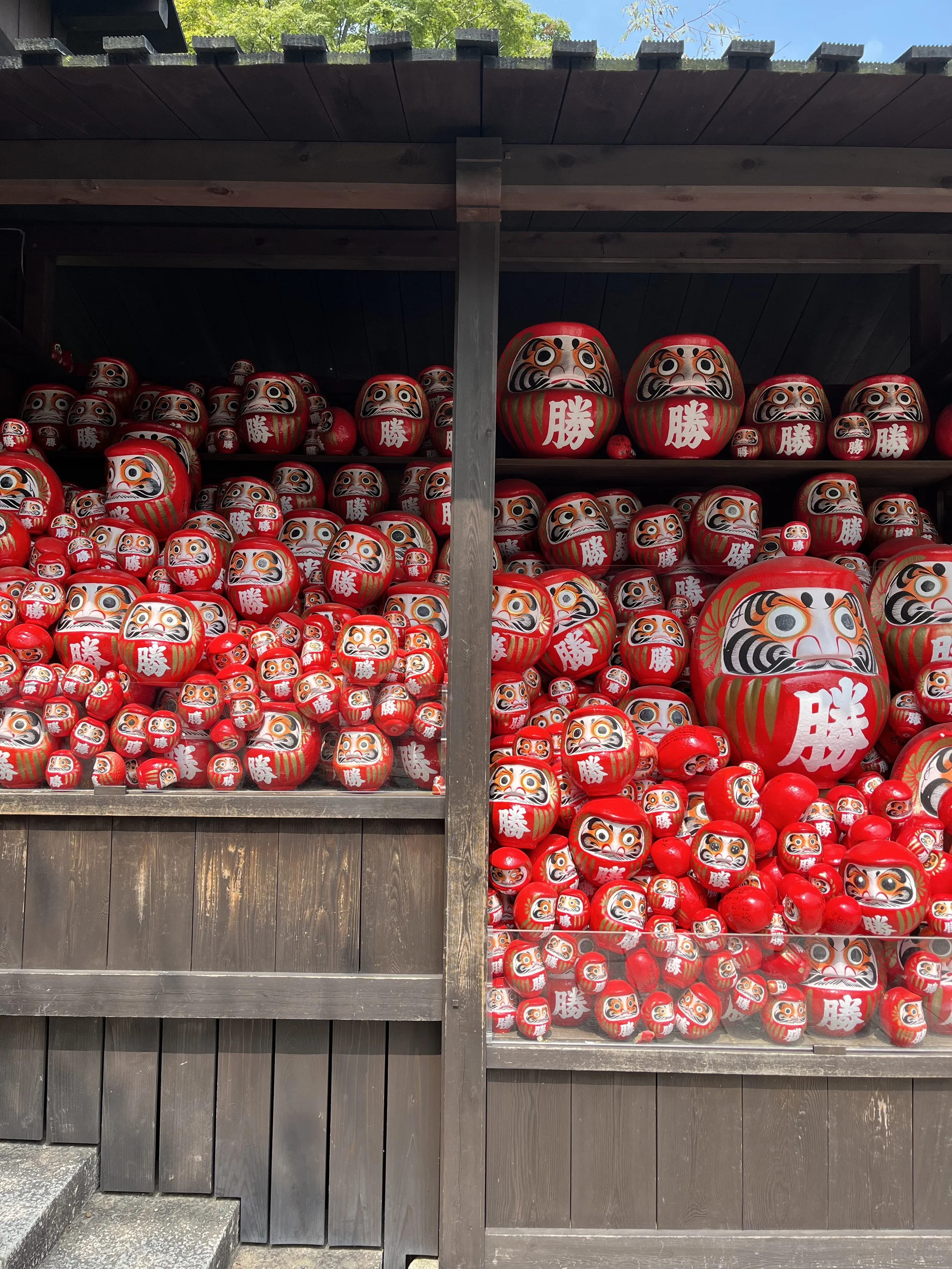
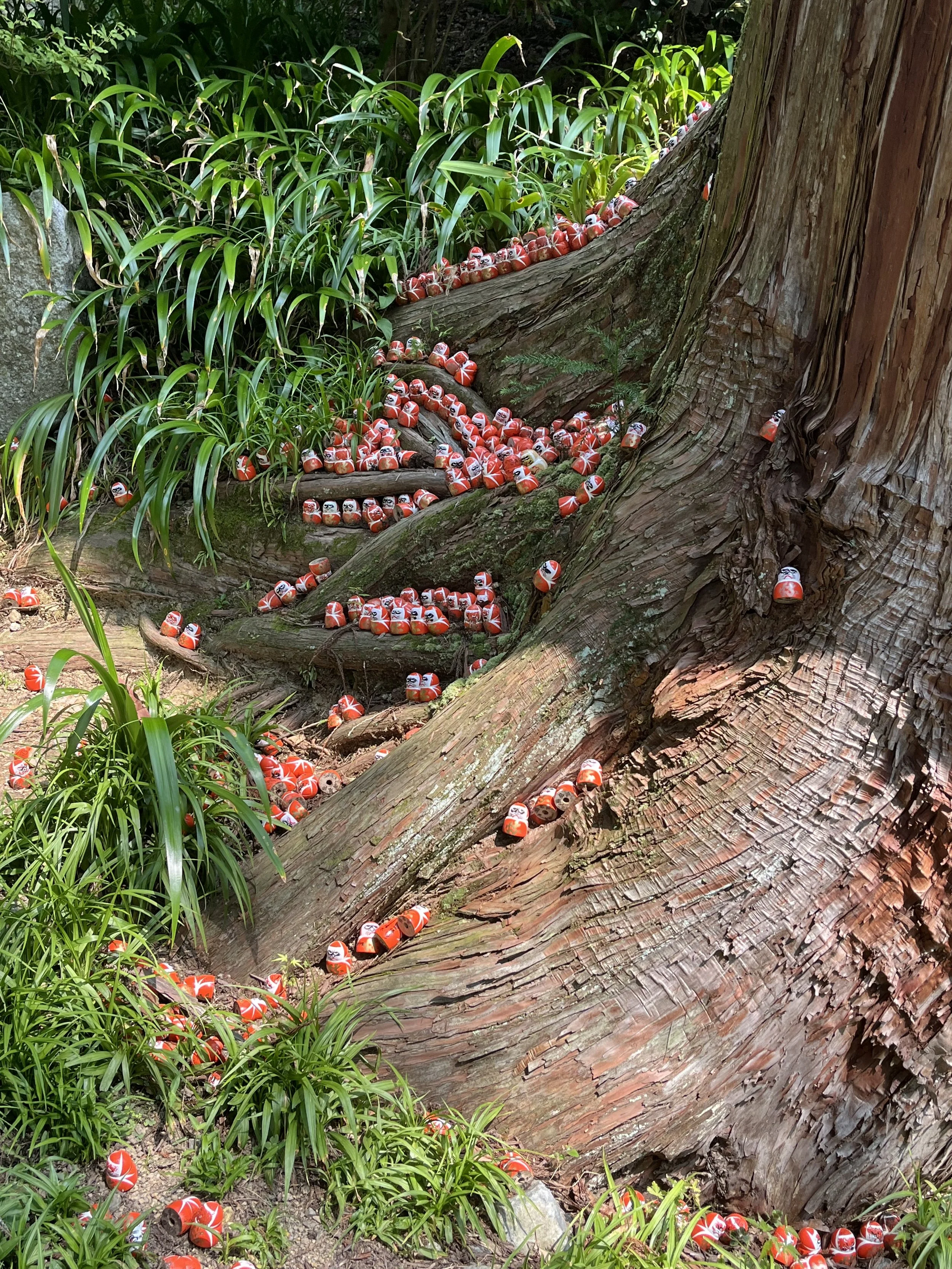
Having had my fill of wandering around the daruma dolls, I hopped on the bus back into town to catch the train back into Osaka. This could very easily be a half-day trip for those short on time but still wanting to check out some lesser known spots!
Nara
Nara - the classic daytrip for those exploring the major tourist belt in Central Japan. Made famous in part for its bowing deer, the city also has significant history and beautiful architectural sites that are well worth the visit.
I visited Nara from Osaka in mid-September and found it to be an easy one-hour train ride from the city. My first stop was a delicious brekkie set at Rokumei Coffee, just a block from the train station. Once I was fully caffeinated, I took a stroll through town along the main tourist shopping streets, trying some freshly-pounded mochi and making my way towards Kofuku-ji Temple. Some of the sites here were closed or covered for renovation works during my visit but it was still impressive to see the multi-tiered pagodas and the unique octagonal halls here.
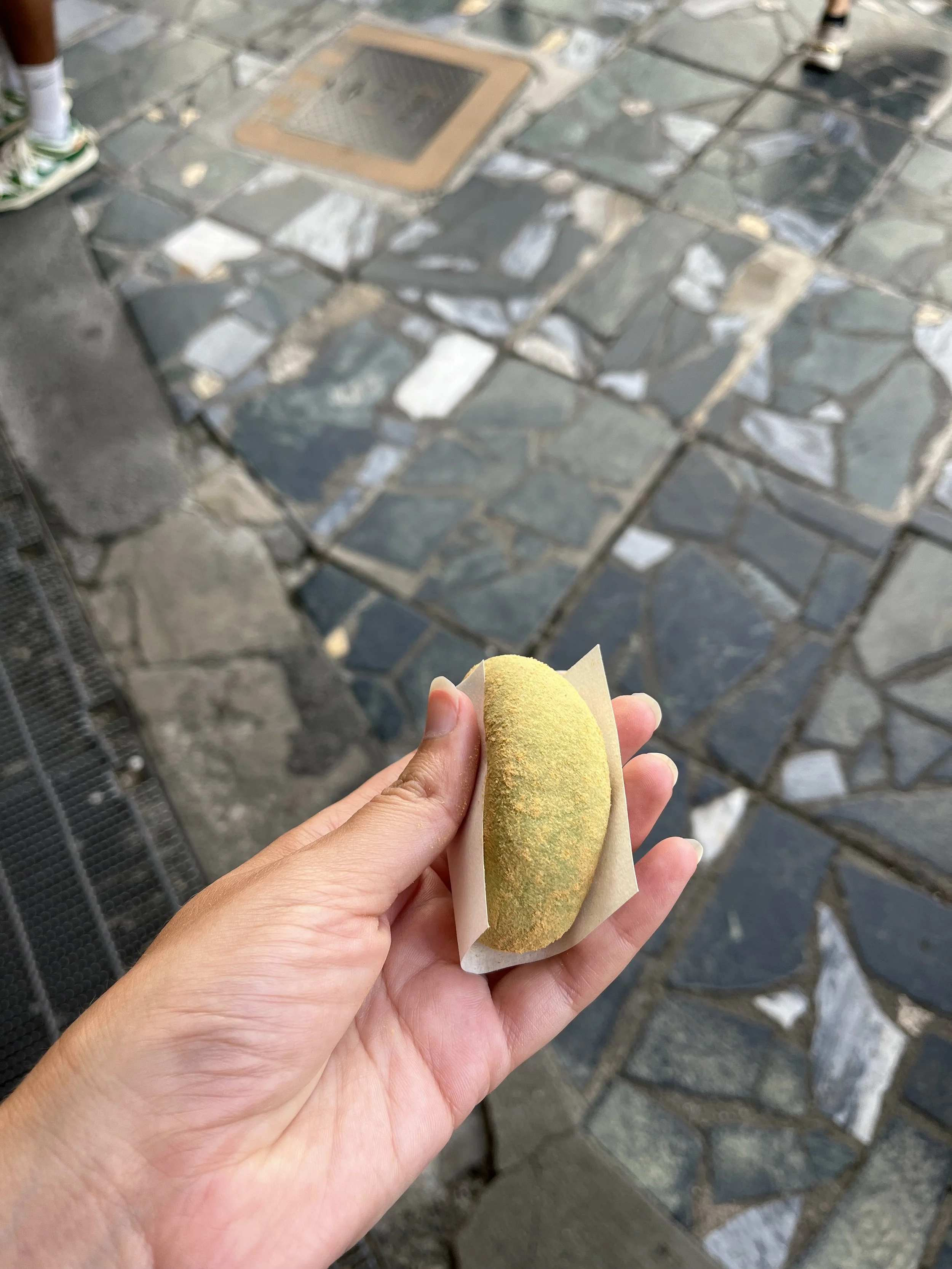
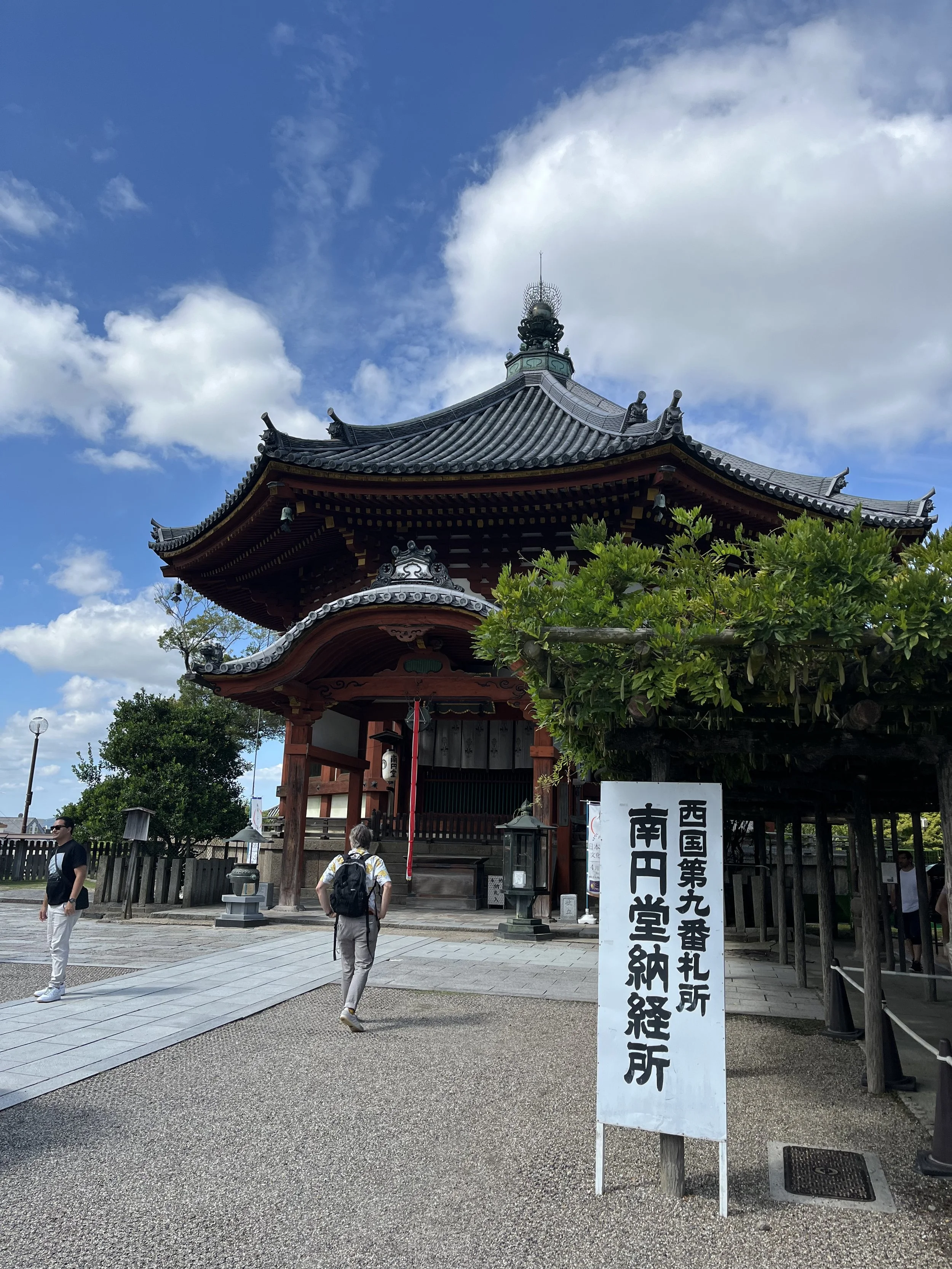
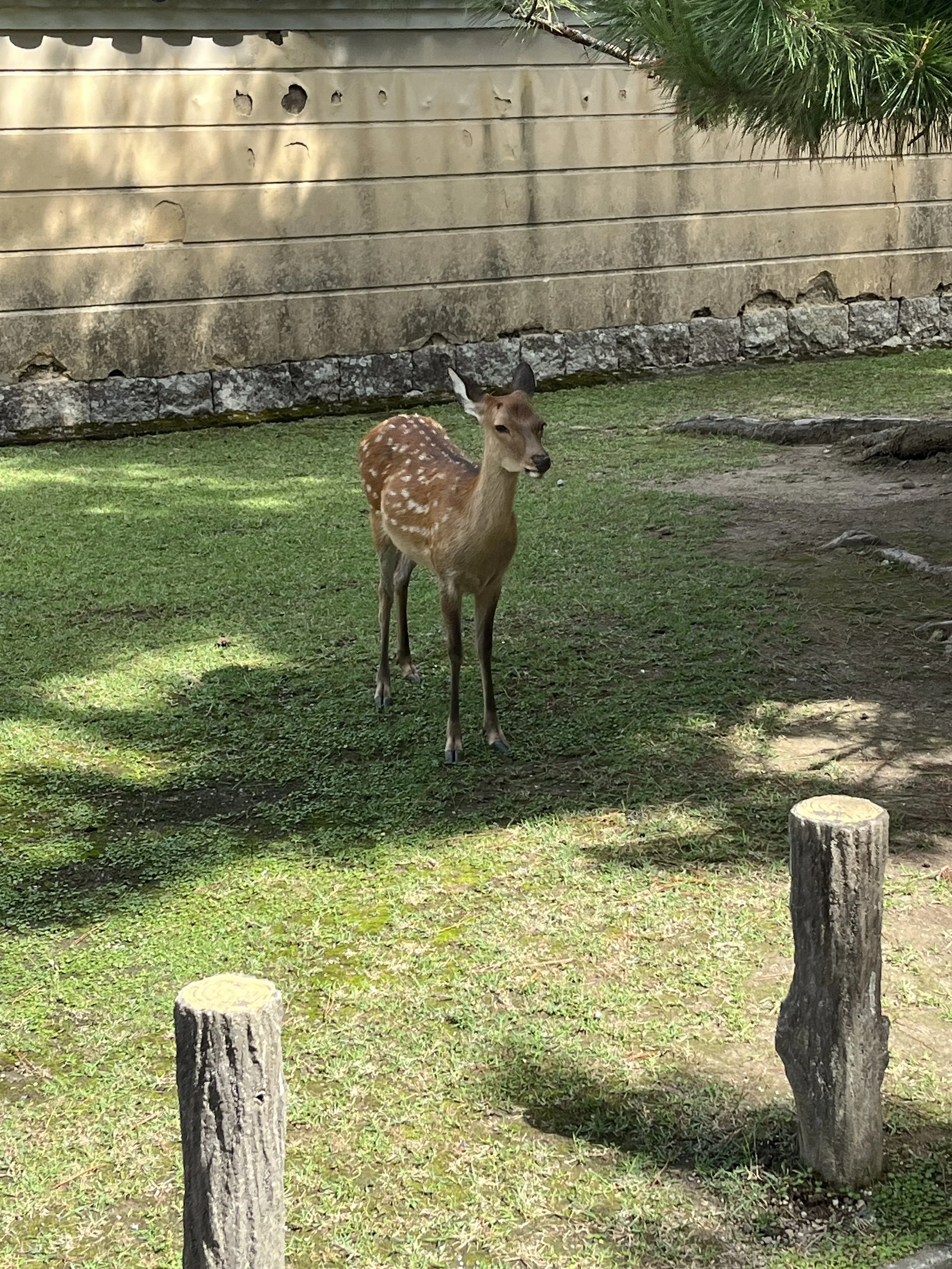
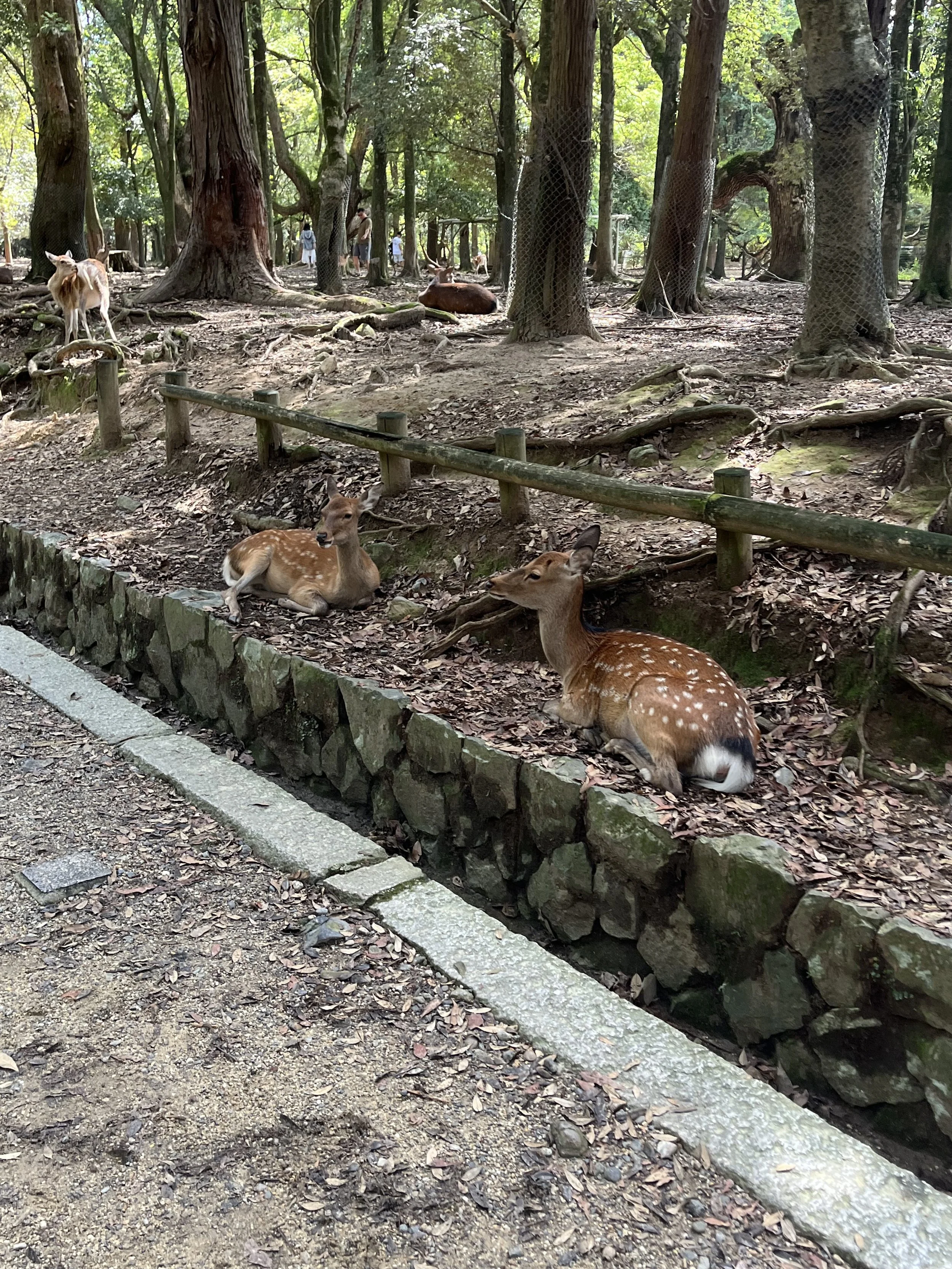
At Kofuku-ji, I also got my first glimpse of the bowing deer as there were several wandering around the site. I headed over to Nara Park to purchase some deer biscuits from a local vendor and headed deeper into the park towards some other interesting shrines. A word to the wise - do not let the deer know that you have the biscuits… they can get pretty aggressive, especially the larger males. I approached deer that were hanging out on their own with a single biscuit, waited for them to bow, and then let them gently take the biscuit from my hand. I saw some tourists at risk of being kicked by some of the deer - so don’t be a touron. :)
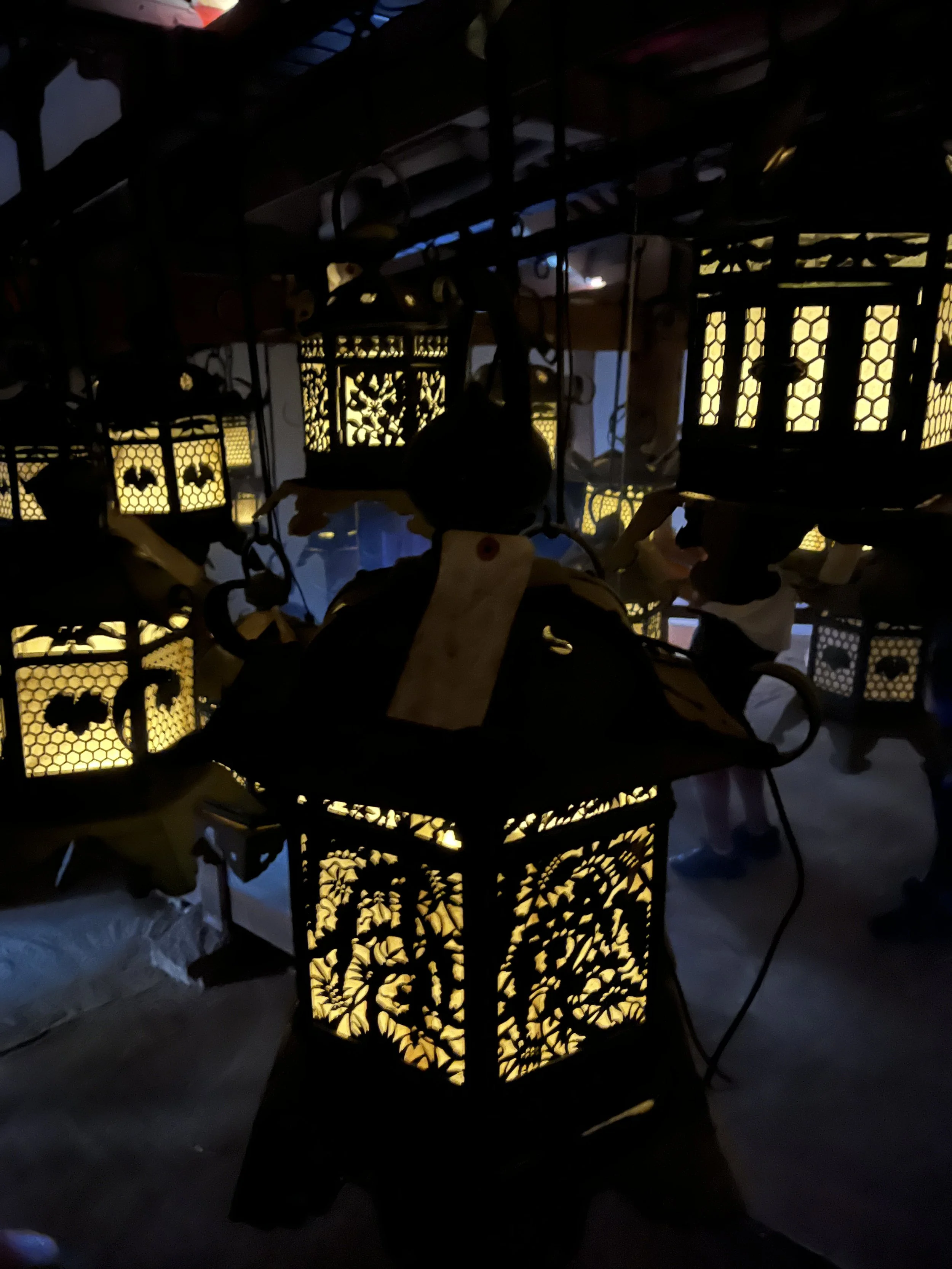
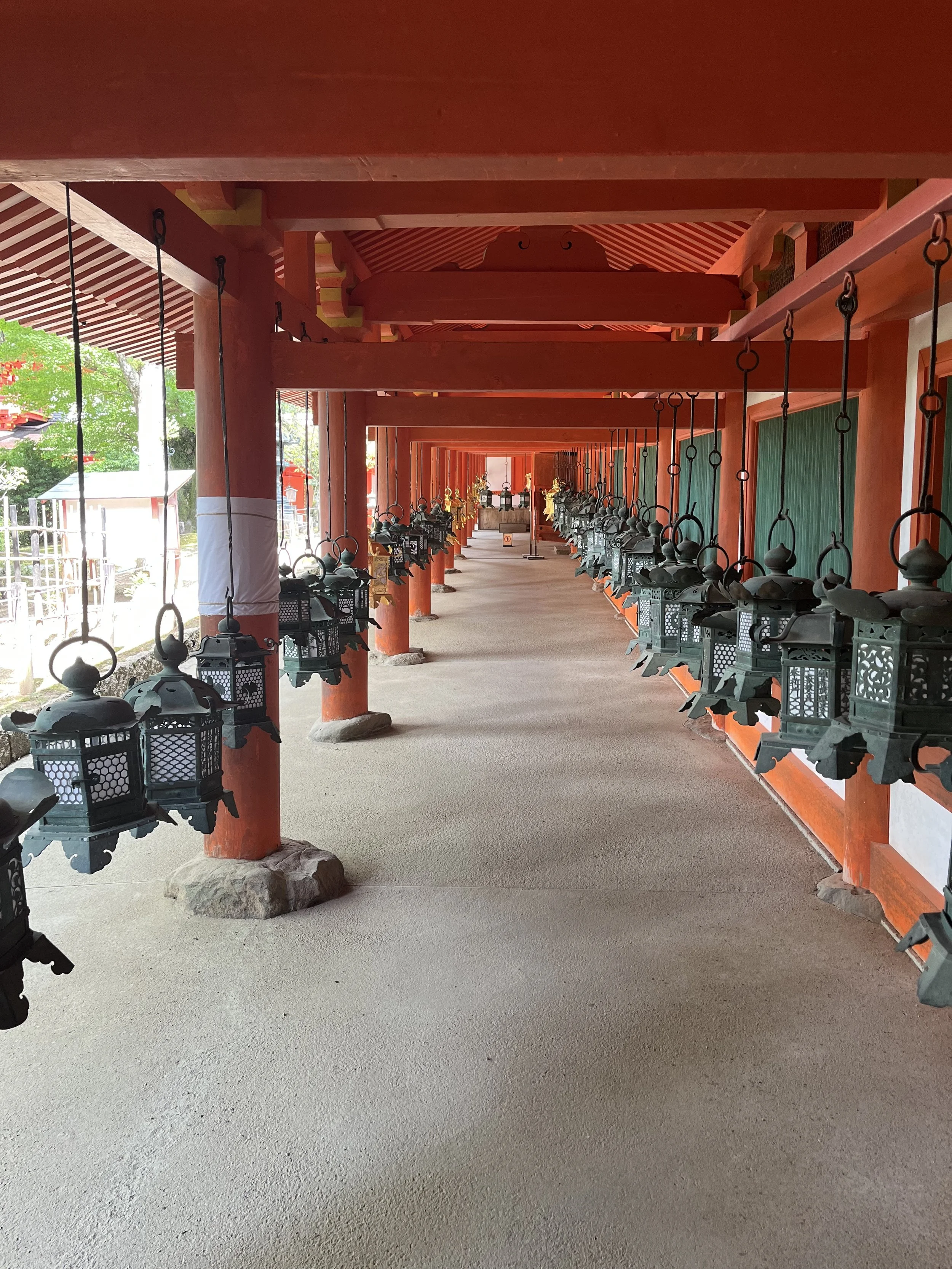
I walked through the park to Kasugataisha Shrine, which has dozens and dozens of beautiful lanterns lining its walkways. I paid the entrance fee to explore the site and really enjoyed the darkroom where you could see the beautifully designed lanterns all lit up and glowing. There were also several ancient trees growing up and through portions of the temple, and it was so special to see nature blending with history in this way. Such a beautiful shrine!
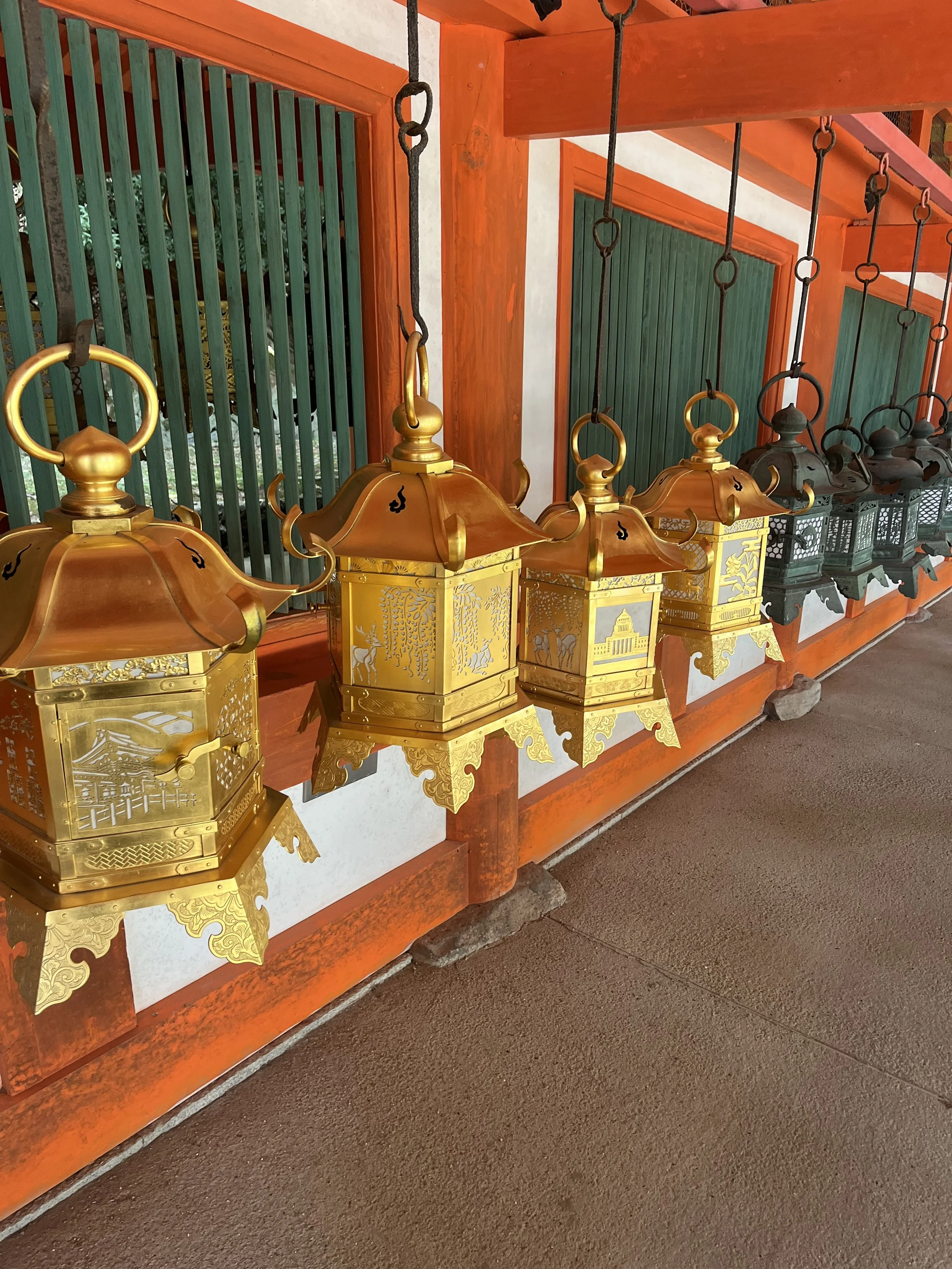
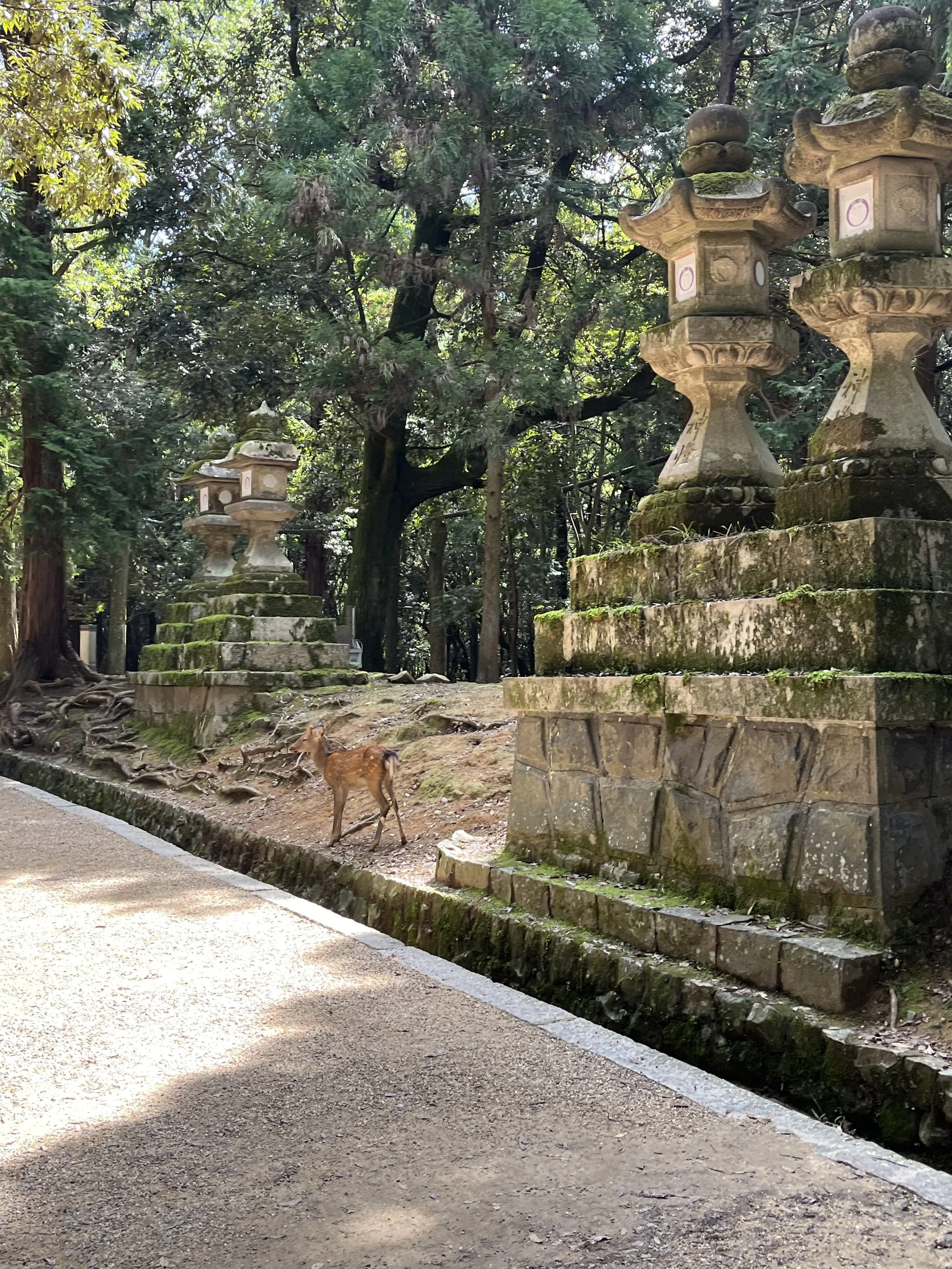
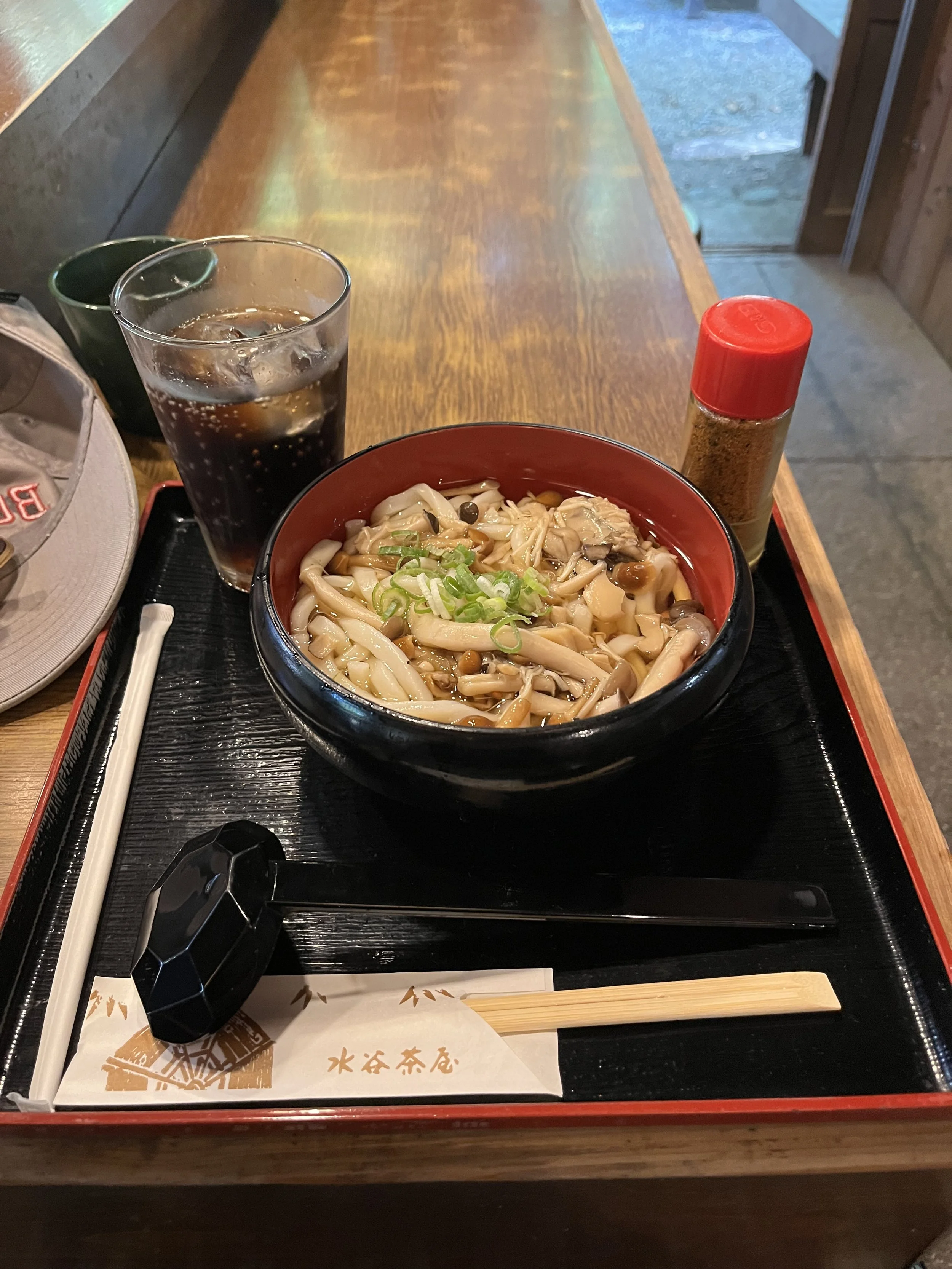
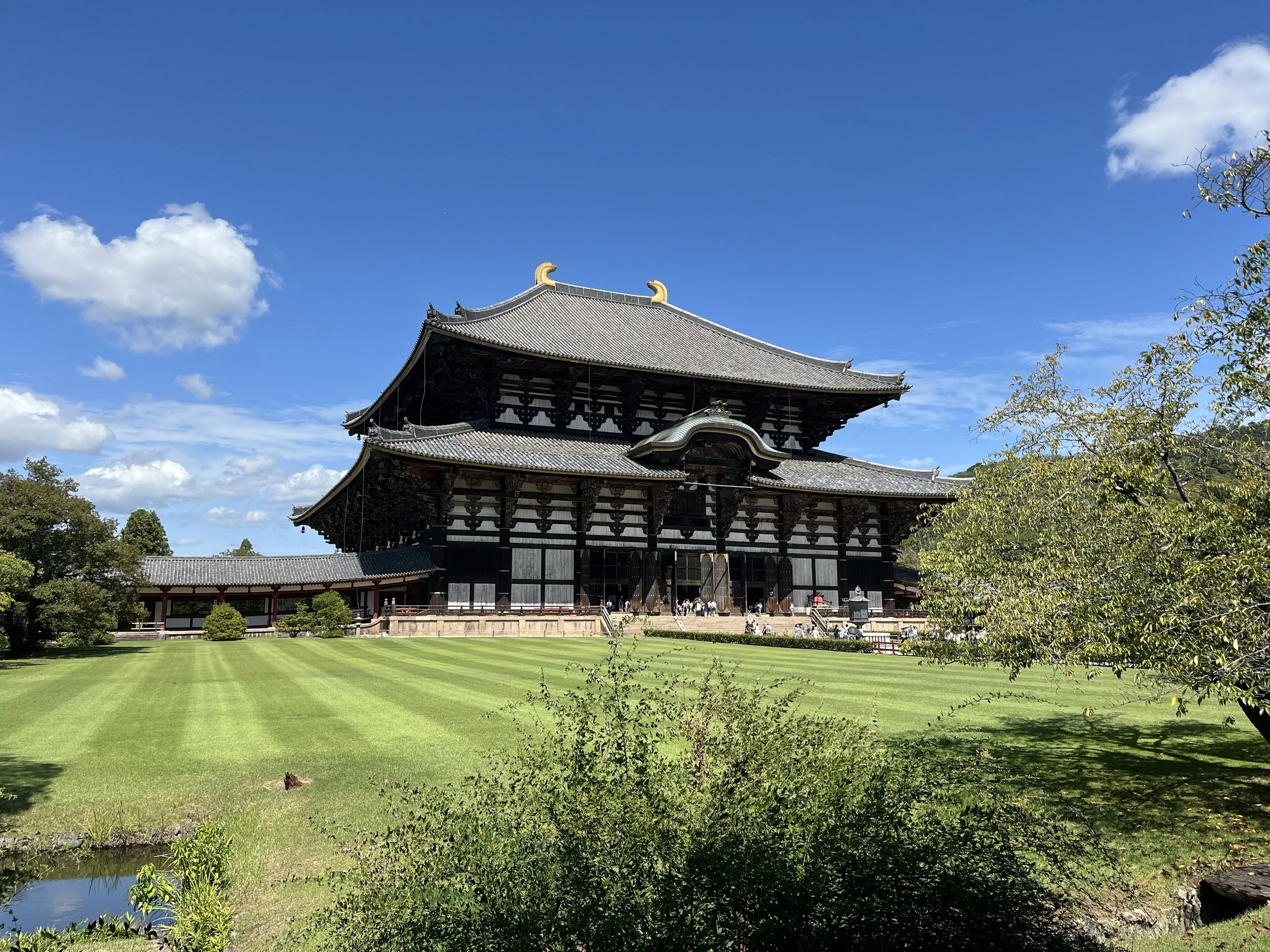
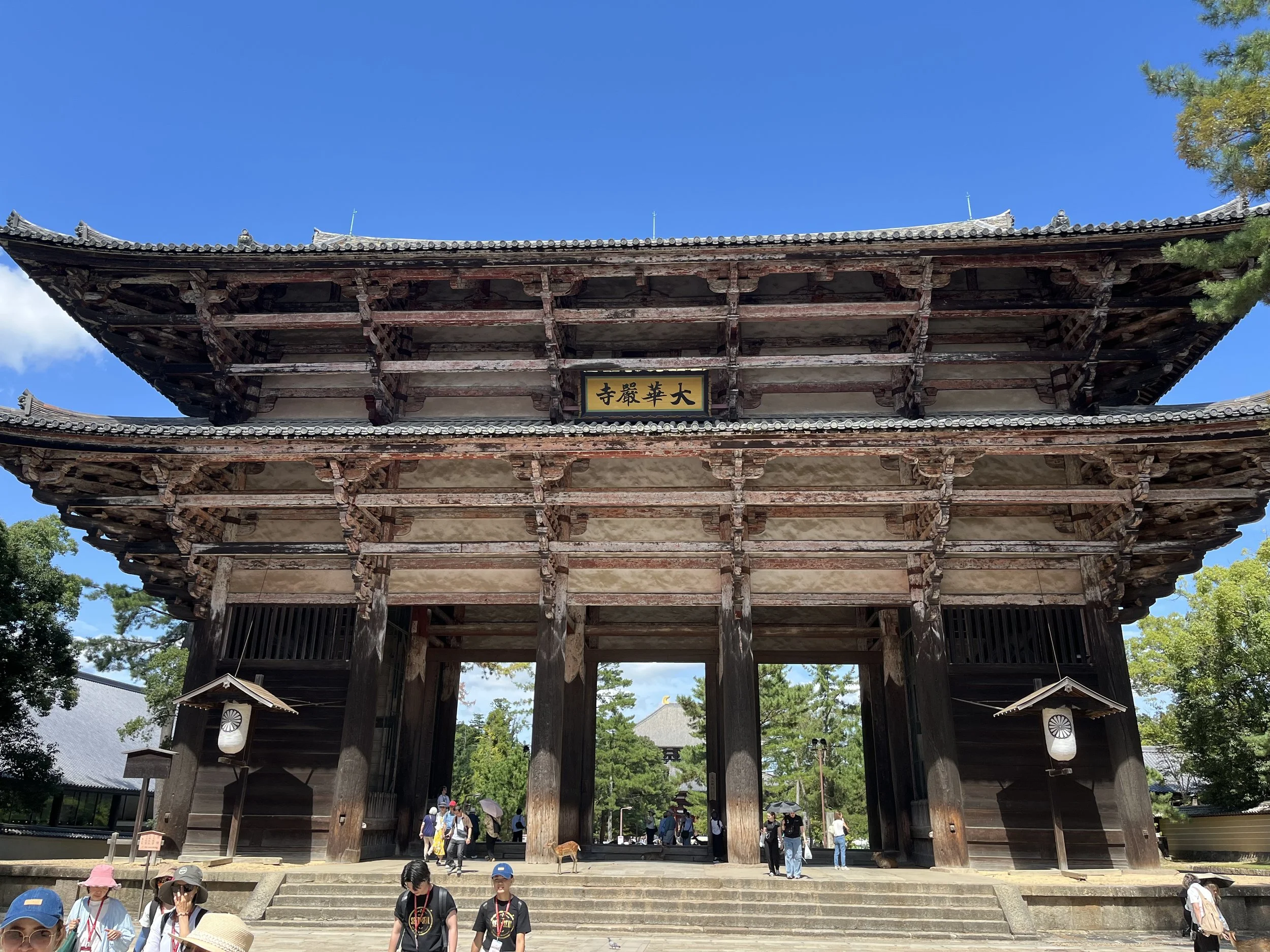
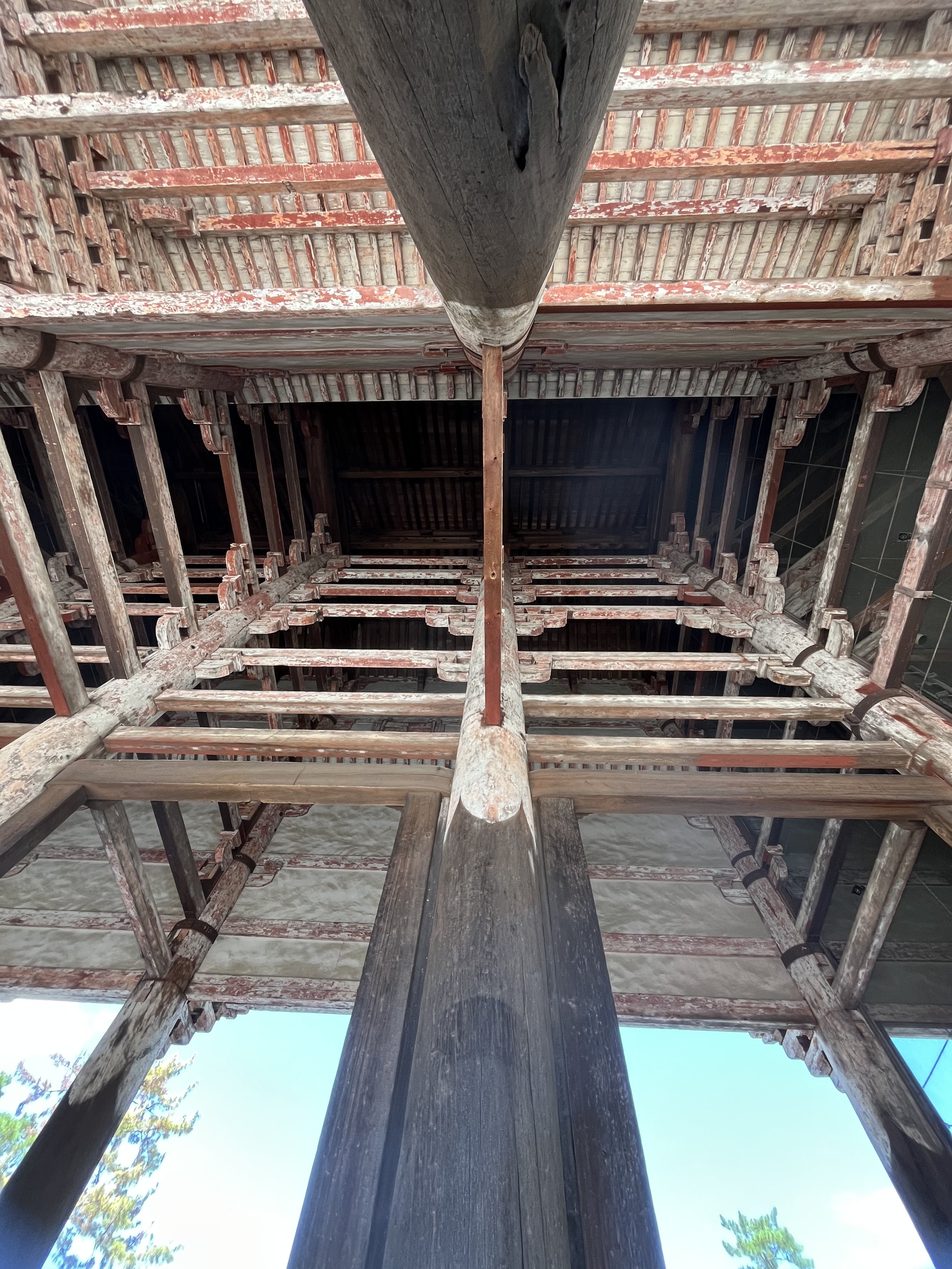
I had one other major site I wanted to visit today, and made a pit stop for some delicious riverside udon on my way at Mizuya Chaya, which really hit the spot. Back towards the main town, I visited Todai-ji Temple, entering through the massive south gate. This temple is particularly impressive as it is one of the largest wooden structures on the planet. The original, which was nearly 50% larger, had burnt down leading to the rebuild of this more modest (but still incredibly impressive) structure. The interior of the temple was also beautiful, with the Great Buddha statue at nearly 15 m in height.
On my way out of town, I went for a stroll through Yoshikien Garden. Access is free for tourists, and the garden is a classic example of Japanese landscape design - a perfect oasis in the city. Just when I thought Nara couldn’t get more interesting, I even had a robot pour a beer for me at the train station… cheers to a great Japan trip!
